
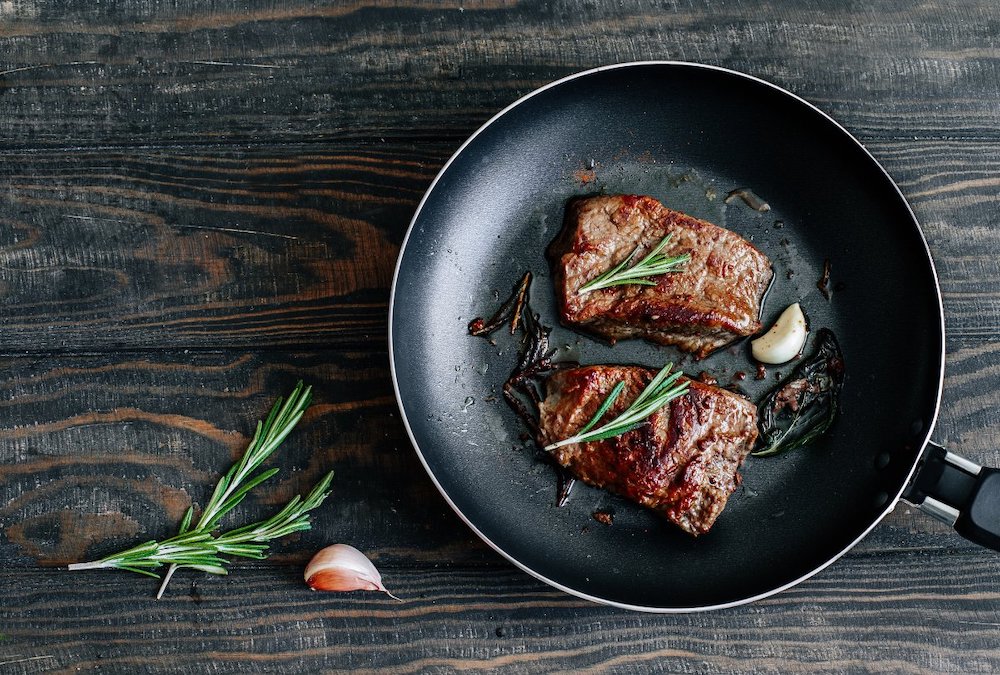
Steak is one of the world's most beloved meats, appearing on menus in virtually every country. It's a cut of meat derived from the muscle tissue of a cow and is popular for its juiciness and tenderness. But did you know there are different types of steak, each with its own characteristics and flavor profile? Souvy did some research for you! We'll discuss the different types of steak and tell you more about their unique qualities. Whether you're a true meat lover or just curious about the world of steak, this blog is perfect for you!

The origin and history of steak
Before we tell you more about the different types of steak, let's first take a look back in time at the origins and history of steak. Steak is one of the most popular and beloved meats in the world. It's not only delicious, but also versatile in preparation and can be enjoyed in many ways. But what is the history behind this delicacy, and how did it evolve into the different types we know today?
The history of steak actually goes back far to antiquity, when meat was already a significant part of the daily diet. In the Middle Ages, meat was seen as a symbol of wealth and power, and it was often associated with kings and nobles. It was also an important food for soldiers and sailors, due to its high nutritional value.
Steak cutting evolved over time and required a certain degree of skill. Proper cutting was essential to ensure the best quality. In the early years of American history, there were several ways to cut steak, depending on the region where it was cut.
Today, there are several different cutting methods for steak, each resulting in a different texture and flavor. From the tender and buttery tenderloin to the firm and robust rump steak, each type of steak offers a unique experience.
Whether it's enjoying a succulent prime rib at a fancy restaurant or grilling a rump steak on the backyard barbecue, the love for steak will always remain.

Different types of steak
Each steak has its own unique flavor, texture, and cooking time, making it suitable for a variety of dishes. We'll discuss the different types of steak and show you what makes each cut so special.
Entrecote
Sirloin steak, also known as "sirloin steak," is a very popular cut of beef known for its tender texture and rich flavor. Sirloin steak is cut from the tenderloin and contains a small amount of fat that contributes to its flavor. The fat around the edge of the steak is often not removed during cooking, as it enhances the meat's flavor. Sirloin steak is particularly suitable for grilling or pan-frying and is often served with sauces such as peppercorn sauce or red wine sauce.
T-bone
The T-bone steak is named for the T-shaped bone that runs through the center of the steak. This steak is cut from both the sirloin and the tenderloin, offering two different cuts of meat in a single piece. The tenderloin has a fine texture and a subtle flavor, while the sirloin has a firmer texture and a richer flavor. The T-bone steak is ideal for grilling and is often served with roasted potatoes and vegetables.
Ribeye
Ribeye is one of the most flavorful steaks available and is cut from the rib cage. Ribeye steak has a high fat content, making it very tender and juicy. The fat melts during cooking and permeates the meat, making it even more tender and flavorful. Ribeye is ideal for grilling, but can also be baked or broiled. It's often served with fries and vegetables.
Rump steak
Rump steak, also known as rump steak, is cut from the topside of the beef and has a firm texture. It's less fatty than other steaks and has a robust, full flavor. Rump steak is ideal for grilling or pan-frying and is often served with potatoes and vegetables.
Bavette
Bavette, also known as "vinkenlap," is a long, flat steak cut from the breast of the beef. The meat has a coarse texture and is very flavorful. Bavette is often marinated before grilling, which contributes to the flavor and tenderness of the meat.
Tenderloin
Tenderloin, also known as filet mignon (the point), is one of the most popular and expensive cuts of beef. It's a long, thin muscle located at the rear of the beef and contains no fat. This makes the meat lean, tender, and soft in texture. Tenderloin has a subtle flavor and is therefore ideal for pairing with strong seasonings, such as mushrooms, mustard, or blue cheese. Because tenderloin is low in fat, it's important not to overcook it to prevent it from drying out.
Flank steak
Flank steak is a long, thin cut of meat taken from the abdominal muscles of beef. It's a fairly tough cut, so it's often marinated to enhance its flavor and tenderness. Flank steak is also one of the less expensive cuts of beef, making it popular in South American cuisine. It's often used in dishes like fajitas and carne asada. The meat has a strong, robust flavor and is delicious with spices like chili and cumin.

Sous vide: the tastiest way to prepare steak
Cooking different types of steak is a true art. There are several ways to create the perfect cut of meat, and each method offers its own unique advantages. One of the most popular methods is grilling. This involves grilling the steak at a high temperature for a perfect crust and a juicy interior.
Another popular method is searing. This involves searing the steak in a hot cast-iron pan with oil or butter. This creates a crispy crust and a juicy interior. An advantage of this method is that you can use the leftover pan scraps to make a flavorful gravy.
Roasting is a third option. This involves baking the steak in the oven. This is a slower method, but the result is a perfectly cooked piece of meat with a crispy crust and a tender interior.
But the best method of all is sous vide steak cooking . The steak is placed in an airtight plastic bag and cooked at a constant low temperature in a water bath. This ensures even cooking and preserves all the juices and flavors of the meat. After sous vide cooking, the steak is briefly seared for a perfect crust. The result is a juicy, tender, and flavorful steak where every bite is a taste sensation. Curious about more types of meat pasteurized sous vide ?
Whether you choose to grill, bake, roast, or sous vide, the most important thing is to pay attention to the meat and prepare it with respect and love. No matter which method you use, if you prepare your steak with love, it will always be a delicious meal.
Sous vide preparation: step by step
Sous vide cooking is a technique that has become increasingly popular in the kitchen in recent years. It's also the perfect way to prepare a delicious steak! Below you'll find a step-by-step guide for preparing steak sous vide:
Step 1: Choose the right steak
For sous vide cooking, it's best to use a thick cut of steak, about 3-5 centimeters thick. Choose a sirloin steak or ribeye, for example. Make sure the steak is at room temperature before cooking.
Step 2: Herbs
Season the steak to taste with salt, pepper, and any other herbs or spices you like. You can do this before vacuum-packing the steak.
Step 3: Vacuum packing
Place the steak in a vacuum-sealed bag , making sure it's sealed tightly. You can also add some fresh herbs or a knob of butter before vacuum-sealing the bag.
Step 4: Prepare sous vide
Preheat the sous vide container to the desired temperature. This varies for each type of steak. You can find the exact temperature for your desired steak here . Place the vacuum-packed steak in the water bath, making sure it is completely submerged. You can use our thermal insulation balls for this. Then, leave the steak in the water bath for the indicated time, depending on the desired doneness and the type of steak.
thermal insulation balls
For perfect insulation of the sous vide bath.
[/product]
Step 5: Finishing
Remove the steak from the vacuum bag and pat it dry with paper towels. Heat a skillet or cast-iron pan with a little butter or oil over high heat and sear the steak briefly on both sides until nicely browned. Then let the steak rest briefly under aluminum foil to allow the juices to redistribute.
And voilà, your perfectly cooked sous vide steak is ready to serve!
From marinades to herbs
There are countless ways to enhance the flavor of steak, and one of the most popular is using marinades, sauces, and spices. By choosing the right combination, you can elevate the meat's flavor.
A classic sauce often served with steak is red wine sauce. This sauce is made by cooking red wine, stock, onion, and herbs, then thickening them with butter and flour. The sauce gives the steak a rich and deep flavor and is perfect for a special occasion.
Another popular sauce is peppercorn sauce. This sauce is made by boiling peppercorns in a mixture of broth and cream, then thickening them with a mixture of butter and flour. The sauce has a spicy and creamy flavor and pairs perfectly with a juicy steak.
Herbs like thyme, rosemary, and garlic are also wonderful additions to steak. These herbs can be mixed with oil and brushed onto the steak before frying or grilling. This not only adds flavor but also creates a wonderful aroma.
Finally, if you want to add an exotic flavor to your steak, consider a marinade with Asian flavors like soy sauce, sesame oil, and ginger. The marinade should be marinated for at least a few hours before cooking the meat to allow the flavors to fully develop.
Whatever sauce, seasoning, or marinade you choose, it's important to remember that the quality of the meat is the most important factor in the flavor of your steak. Therefore, always choose high-quality meat and combine it with the right flavors to create a delicious and flavorful meal.
Types of steak dishes
Steak is a versatile cut of meat that can be used in a variety of dishes. A popular way to serve steak is in a salad, where the steak is thinly sliced and placed on a bed of lettuce. Other popular dishes include steak stroganoff and steak tartare.
With steak stroganoff, the steak is cut into small pieces and sautéed with onion, bell pepper, and mushrooms in a creamy sauce made with sour cream and mustard. The dish is often served with rice or mashed potatoes.
Steak can also be used in Mexican cuisine, such as in a steak burrito or taco. In this case, the steak is often marinated in a mixture of lime juice, olive oil, and spices like cumin and chili powder.
Curious about more recipes? Check them out here:
- Diamond hare recipe
- Ribeye recipe
- Rump steak recipe
- Veal sucade recipe
- Entrecote recipe
- Bavette recipe

Samen koken we slimmer
Ontvang 5% korting op je eerste bestelling


Leave a comment
This site is protected by hCaptcha and the hCaptcha Privacy Policy and Terms of Service apply.