
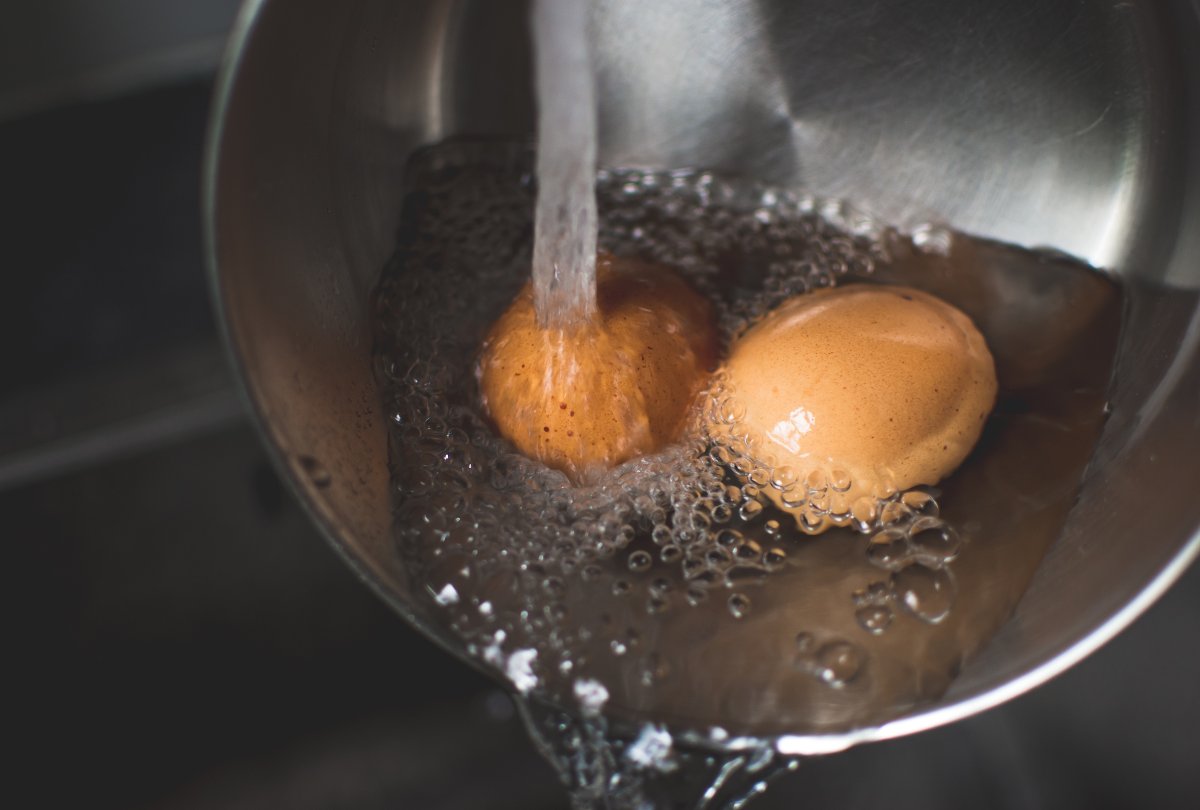
A perfectly boiled egg can make the difference between a delicious breakfast and a disappointing meal. Boiling eggs may seem like a simple task, but there are many variables that influence the outcome. In this blog post, you'll learn everything you need to know to boil the perfect egg.
The different types of boiled eggs
There are three main types of boiled eggs: soft-boiled, medium-boiled, and hard-boiled. The difference between these types lies in the texture of the white and yolk.
Soft-boiled egg
A soft-boiled egg has a firm white, but a runny yolk. This is ideal for dipping toast or bread.
Soft-boiled egg
A soft-boiled egg has a firmer white and a partially set yolk. This is perfect for a salad or sandwich.

Hard-boiled egg
A hard-boiled egg has both the white and yolk fully set. This type of egg is ideal for making deviled eggs or egg salad.
The cooking time of an egg depends on a number of factors:
| The size | Larger eggs take longer to cook than smaller eggs. |
| Temperature | An egg straight from the refrigerator will take longer to cook than an egg at room temperature. |

It's important to start with cold water to prevent the eggs from cracking during cooking. The cold water ensures the eggs heat gradually and cook evenly. Use a pan large enough to accommodate the eggs in a single layer so they cook evenly and don't bump into each other. Make sure the eggs are completely submerged, with about 2 centimeters of water above them.
Remove the eggs from the refrigerator and let them come to room temperature for even cooking. If you don't do this, the eggs will take longer to cook. Place the eggs in a single layer in the pan and fill the pan with cold water, making sure the eggs are completely submerged. Place the pan on the stove and bring the water to a boil over medium heat.
Once the water boils, set a timer based on the type of egg you want to boil:
| Soft-boiled egg | 4 to 5 minutes |
| Soft-boiled egg | 6 to 7 minutes |
| Hard-boiled egg | 8 to 10 minutes |
Keep the water simmering gently as it cooks, but not in a wild, rolling boil.

Cooling the eggs
Once the cooking time is up, remove the eggs from the pan with a slotted spoon and immediately plunge them into a bowl of ice water to stop the cooking process and prevent the eggs from cooking further.
Alternative cooking methods for eggs
Steaming
When steaming eggs, you place them in a steamer basket over a pan of boiling water. This is a great way to cook eggs that are easier to peel.
Sous vide
Sous vide cooking is a technique where you cook eggs in a water bath at a precisely controlled temperature. This ensures a very consistent and precise result.
Microwave
Cooking eggs in the microwave is a quick and easy method, but it can result in unevenly cooked eggs and a risk of the eggs exploding.
Frequently Asked Questions
How do I know if my eggs are still fresh?
Do the float test! Place the egg in a bowl of water. If the egg stays at the bottom, it's fresh. If it floats, it's no longer fresh and should be discarded.
What is the best way to peel eggs without damaging them?
After boiling, cool the eggs in ice water. This helps shrink the egg whites and makes peeling easier.
What is the difference between brown and white eggs?
The difference in color is caused by the breed of the chickens and does not affect the taste, texture or cooking time of the eggs.
How can I prevent my eggs from cracking while cooking?
Start with cold water and gradually bring it to a boil. This will ensure the eggs heat slowly and prevent cracking. You can also poke a small hole in the wide bottom of the egg with a needle or egg piercer before boiling to release the air pressure inside and prevent cracking.
Can I boil multiple eggs at once?
If so, will this affect the cooking time? Yes, you can boil multiple eggs at once. Make sure the eggs are in a single layer in the pan and that they are all completely submerged. Boiling multiple eggs can affect the cooking time, depending on the size of the pan and the amount of water. Monitor the cooking time and adjust it as needed.
How long can I keep hard-boiled eggs in the refrigerator?
Hard-boiled eggs can be stored in the refrigerator for up to a week, provided they are kept in their shells and tightly covered. It's best not to peel hard-boiled eggs until you're ready to eat them to prevent them from drying out and causing odors in the refrigerator.

Samen koken we slimmer
Ontvang 5% korting op je eerste bestelling

Leave a comment
This site is protected by hCaptcha and the hCaptcha Privacy Policy and Terms of Service apply.