
Antioxidants are a much-discussed topic. Yet, few people know what antioxidants are and what they do. Here are the things you should definitely know about antioxidants.
What are antioxidants?
When we talk about antioxidants, we're referring to substances that can counteract free radicals in your body. Free radicals are quite aggressive substances that can cause damage in your body when present in excess. Free radicals are therefore linked to chronic conditions such as diabetes, cardiovascular disease, and cancer.
Your body produces antioxidants in the form of glutathione. This helps your body balance free radicals. Vitamins E and C are excellent antioxidants. These and other antioxidants can be found in vegetables, fruits, and superfoods. Antioxidants also play a vital role in the food industry, extending the shelf life of food products.
The action of free radicals
Your body continuously produces free radicals. Without antioxidants, these free radicals would be very harmful to your body. Yet, free radicals are present in our bodies for an important reason. Our immune cells use them to fight infections. Therefore, it's always important to maintain a good balance between free radicals and antioxidants in your body.
An excess of free radicals can lead to oxidative stress. If our bodies are exposed to oxidative stress for extended periods, it can damage cell DNA and other vital molecules, ultimately leading to cell death.
Damage to our cell DNA increases the risk of cancer and some scientists believe that free radicals play an important role in the aging process .
Several factors contribute to an excess of free radicals and the subsequent oxidative stress. These include:
- Air pollution
- Smoking
- Alcohol
- Toxins
- High blood sugar levels
- A high consumption of polyunsaturated fatty acids
- Radiation, including sunbathing
- Bacterial, fungal and viral infections
- Excessive intake of iron, magnesium, copper or zinc
- Too much or too little oxygen in your body
- Due to damage to muscles and tissues, for example through prolonged intensive exercise
- Excessive consumption of antioxidants, such as vitamins C and E
- A deficiency of antioxidants
What types of antioxidants are there?
We can divide antioxidants into two groups:
- Enzymatic antioxidants
- non-enzymatic antioxidants.
The first is produced by the body itself. Vitamins and minerals are important non-enzymatic oxidants, and our bodies obtain them from food.
Are antioxidant supplements useful?
Taking antioxidants—for example, in pill form—doesn't always help improve health. High concentrations of antioxidants can be dangerous and counterproductive , even contributing to oxidative damage.
Although further research is needed before definitive conclusions can be drawn, most health professionals advise against the use of antioxidant pills and supplements for this reason.
Instead, it's a better idea to include antioxidant-rich foods in your daily diet. The effect of a good diet on oxidative damage is greater than that of supplements.
A study investigated the effects of drinking blood orange juice and sugar water with added vitamin C. The finding was that the fruit juice had a significantly better antioxidant effect.
The conclusion you can draw from this is that if you want to ensure a good balance between antioxidants and free radicals, you will benefit more from including more fresh vegetables and fruit in your diet and combining this with a healthy lifestyle.
Antioxidants can also be found in our food
It's clear that antioxidants are important for living things. Our bodies therefore produce antioxidants themselves. Plants and animals do the same, which is why we find antioxidants in both plant and animal products.
Healthy foods contain many antioxidants that may not be essential for our bodies to function properly, but they do play a crucial role in overall good health. The health benefits of a diet rich in plant-based foods are largely due to the abundant antioxidants they contain.
Fruits and vegetables rich in antioxidants
Antioxidants are produced by our bodies and can also be found in (healthy) foods. Antioxidants help protect your cells from potentially dangerous free radicals. A diet rich in vegetables, fruits, and herbs is rich in antioxidants and makes a significant contribution to preventing cardiovascular disease, diabetes, and cancer.
Scientists have developed several tests to measure the antioxidant value of food. One of the best tests for this is the FRAP analysis, or Ferric Reducing Ability of Plasma. This test measures the antioxidant "power" of food by measuring its ability to neutralize a specific free radical. The higher the FRAP value, the more antioxidants the food contains.
Vegetables high in antioxidants
Broccoli , red lettuce, avocado, asparagus , beetroot, (red) onion, green lettuce, orange peppers, cucumber, eggplant, carrots, cauliflower, celery, green peppers, ginger, pineapple.
Fruits high in antioxidants
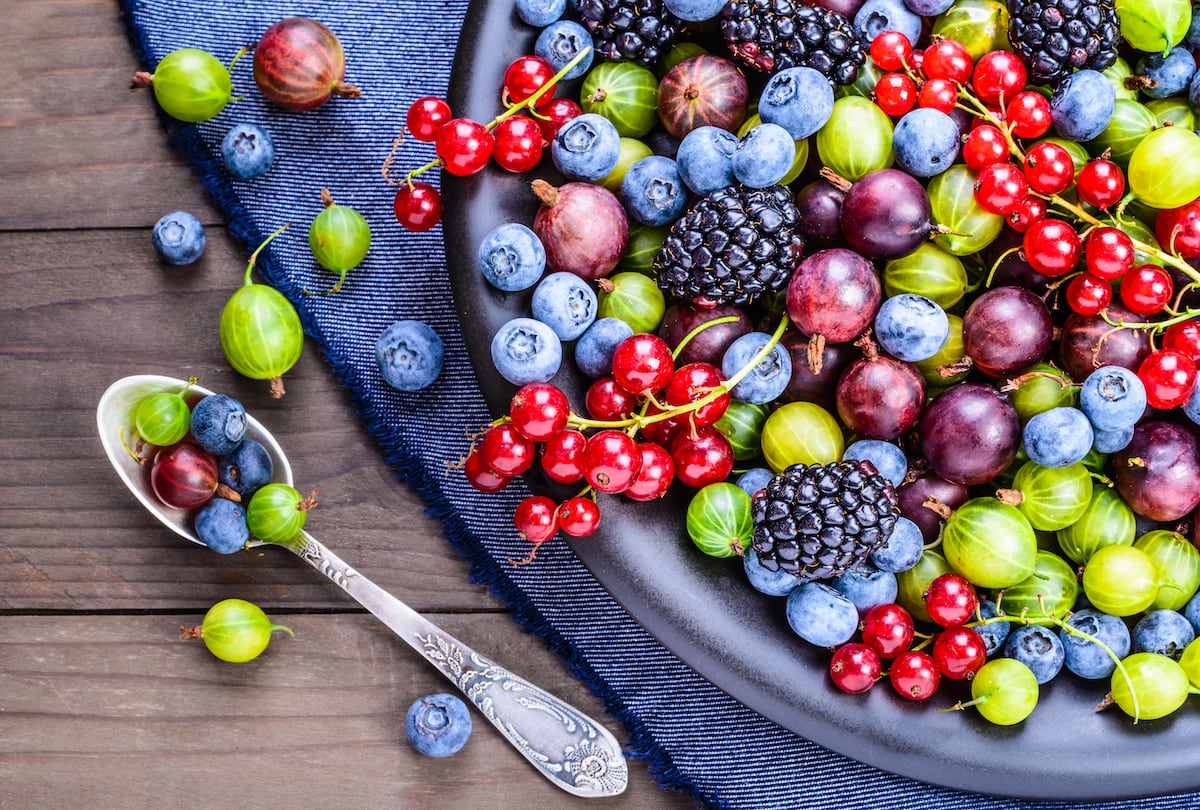
Banana, apricots, mango, kiwi, lemon juice, grapefruit, mandarin, pear, orange, cherries, cranberries, blackberries, raspberries, plums, blueberries, apples, elderberries.
citrus-squeezers
This set consists of three squeezers, ideal for squeezing limes, lemons and oranges, and is also perfect for culinary applications in the kitchen.
[/product]
Other foods rich in antioxidants
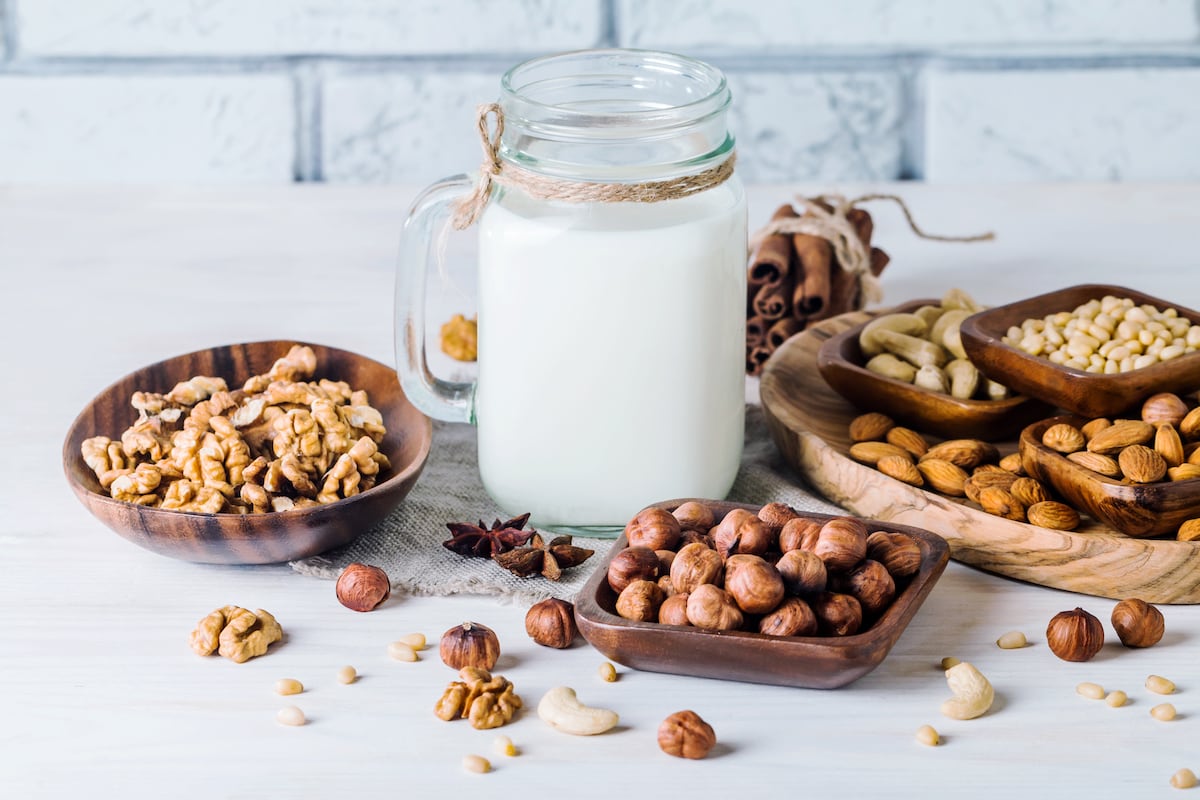
Cocoa, pecans, walnuts, hazelnuts, artichokes , kidney beans, black beans, almonds, olive oil, figs, peanuts, raisins, dates, agave, chocolate, rye bread, macadamia nuts, Brazil nuts, white wine, green tea . Some studies show that coffee is also an important source of antioxidants, but this is mainly because the average Westerner generally doesn't consume many antioxidant-rich foods.
Conclusion
Antioxidants are produced by our bodies, but you also ingest them through food. Antioxidants help protect your body from harmful free radicals. When these free radicals are present in excessive quantities, oxidative stress can occur, increasing your long-term risk of cardiovascular disease, various types of cancer, and numerous other (chronic) conditions.
Fortunately, by choosing a healthy diet, you can ensure you get enough antioxidants. This helps your body neutralize free radicals, reducing the risk of health problems.
Eating a healthy and varied diet can boost the amount of antioxidants in your body, and you will reap benefits from this – especially in the long term.
If you want to make sure you get enough fresh fruit and vegetables every day, take a look at our blender recipes .

Samen koken we slimmer
Ontvang 5% korting op je eerste bestelling

Leave a comment
This site is protected by hCaptcha and the hCaptcha Privacy Policy and Terms of Service apply.