

It's happened to everyone. You're in the middle of cooking, and in your enthusiasm, you pour just a little too much vinegar into the pan. There you are, surrounded by steaming pots and pans, while the acrid smell of vinegar fills the kitchen. A moment of panic, perhaps. But there's no need for that. A garden full of possibilities and a kitchen full of solutions are just waiting for you.
That one drop too many can throw your carefully prepared dish off balance. But there is hope, and a simple solution is often closer than you think.
The Taste of Vinegar: Why Is It So Strong?
Vinegar , that acidic wonder, brings fresh flavors to salads and can elevate sauces. But its powerful taste is also part of the problem. Too much vinegar in a dish compromises the carefully crafted balance of flavors.
The challenge lies in the intensity of the acid. Vinegar quickly overpowers other flavors—a mishap that throws your dish off balance. What now?
A pinch of magic: Sugar and salt
Let's start with the basics. Before you throw in the towel, grab your sugar bowl or salt shaker. A little sugar can work wonders. Sugar softens the acidity of vinegar by drawing it down into its sweetness. Start with a small amount, mix well, and taste before proceeding. Salt works similarly. A small pinch can freshen the flavors and make the vinegar less overpowering.
Discover the magic of fat
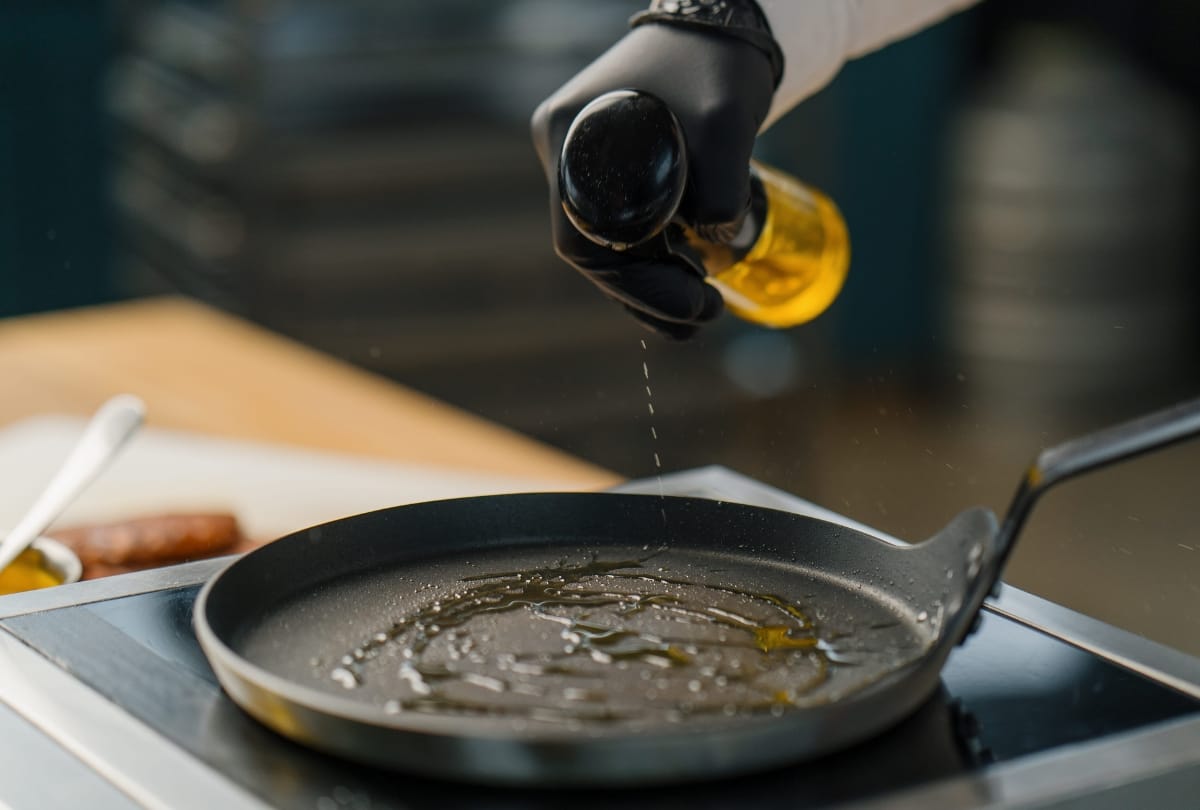
The power of fat shouldn't be underestimated either. This natural flavor carrier comes in many forms: a drizzle of olive oil, a knob of butter, or a little cream can help tone down that strong vinegar taste. While fat itself doesn't sweeten the way sugar does, it does add a fuller flavor that detracts from the acidity.
Add body with carbohydrates
If none of the above is available, carbohydrates can be your savior. Add a potato, some rice , or pasta to dishes where it's appropriate. The starch further dilutes the vinegar flavor, helping to restore balance. It's fascinating how simple these everyday ingredients can be in saving the day.
A touch of vegetables
If your dish lends itself to it, adding vegetables can also be helpful. Consider carrots , which are naturally sweet, or tomatoes, which have a milder acidity. They not only add extra flavor but also beautifully enhance your dish.
Manage the heat
Vinegar can change its character during cooking. Simmering your dish briefly with the lid on transforms that sharp acidity. The heat allows the vinegar to bond with other flavors and weakens its dominance. Sometimes patience is the best remedy.
Do a taste experiment
Some chefs swear by a pinch of sodium bicarbonate (baking soda). This ingredient reacts chemically with acid and neutralizes it. However, you should be careful with this, as it can leave a slightly salty flavor. Start with a very small amount and taste it before deciding if it works with the flavor combination of your dish.
Taste and adjust
The most important tool in your kitchen might just be your own taste. So: taste, experience, and learn. Nothing makes a dish more personal than a chef with a good sense of taste. With patience and creativity, you can always be the master of your own pan.
Again, don't be discouraged by a little too much vinegar. Cooking is an adventure, a quest for flavor and balance. You're in charge. With these tips, you can transform even the most acidic dish into a delicious meal you can be proud of.
So open that kitchen drawer, check your ingredients, and get started. With a little creativity and the right knowledge, you're perfectly capable of mastering vinegar problems. And perhaps even more importantly: enjoy the process and keep experimenting!

Samen koken we slimmer
Ontvang 5% korting op je eerste bestelling


Leave a comment
This site is protected by hCaptcha and the hCaptcha Privacy Policy and Terms of Service apply.