
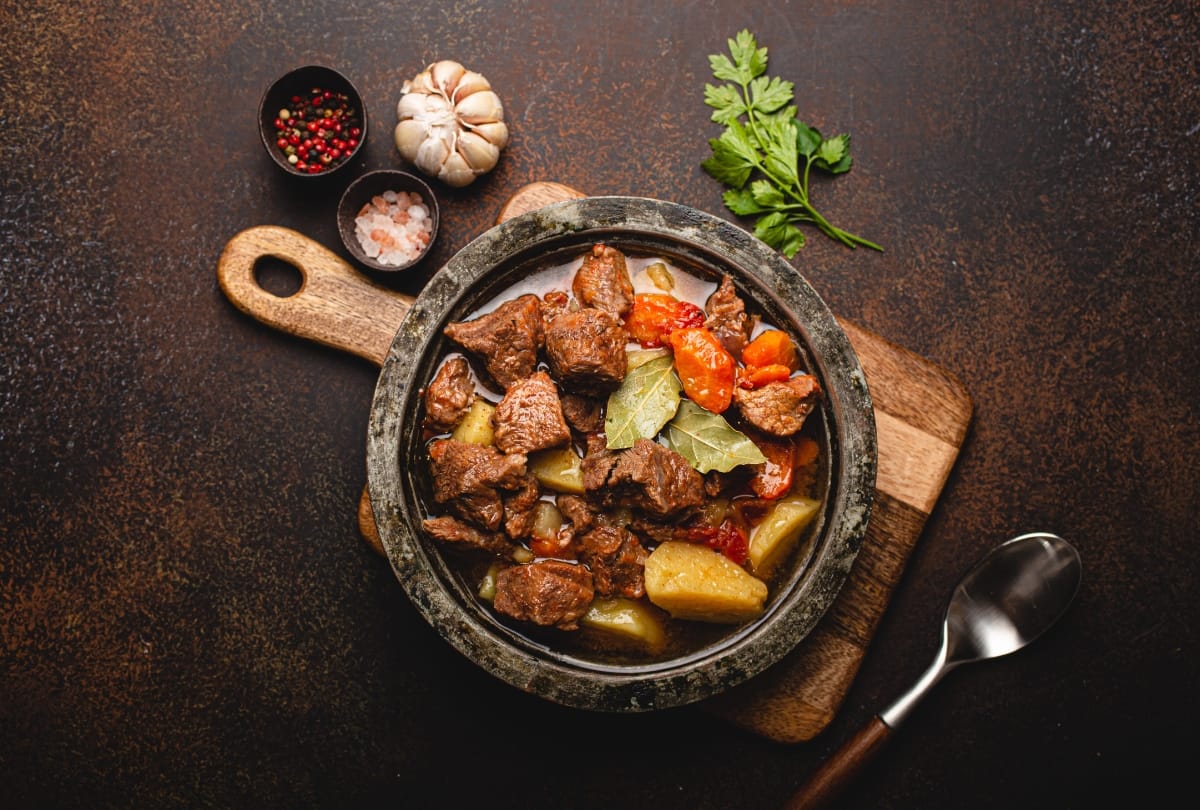
Hachee. The word alone conjures up images of a steaming pan on the stove, the aroma of braised beef, and caramelized onions slowly filling the kitchen. This isn't a quick dish, but a loving process. Whether you're an amateur cook looking to impress or a seasoned chef searching for that perfect balance of sweet and sour, this guide will give you all the tools you need to make a masterful hachee.
What makes hachee so special?
Hachee is pure nostalgia. It's a characterful stew that combines simplicity and flavor. Onions and beef form the base, but the secret lies in the slow cooking and the combination of vinegar, spices, and sweet notes. The result? A dish that envelops you like a warm blanket.
This stew has a long history and was traditionally eaten during the cold months, when long cooking sessions were not only delicious but also practical: they kept the house warm and the stomachs full. Today, hachee is a classic we enjoy year-round, often as a culinary tribute to our grandmother's kitchen.
Choosing the right meat for stew
Not every cut of meat is suitable for hachee. You want meat with plenty of connective tissue, because that becomes buttery tender after hours of simmering. Quickly cooked meat? Forget it. We take our time.
These are the best choices:
- Ribs – The ultimate classic, packed with flavor.
- Beef steak – Almost melts in your mouth thanks to the fat that is slowly absorbed into the sauce.
- Beef Neck – An underdog with a deep, intense flavor.
- Shoulder Chop – A surprisingly cheaper option that also works great.
The secret? Patience. The longer the meat is cooked, the more tender it becomes. This is not a dish for hasty haste.
The right pan makes the difference
The pan you use can make or break your stew. A good pan retains heat and ensures even cooking. Choose:
- A cast iron skillet – The gold standard for stews.
- A slow cooker – Easy and efficient: throw everything in and let time do its work.
- A stainless steel pan with a thick base – Ensures that your meat doesn’t burn.
- A tagine – For a Moroccan twist, with spices like cinnamon and dried fruit.
Cutting meat and onions
Want hachee with the perfect texture? Then pay attention to how you cut it. The meat should be in 3- to 4-cm cubes. Too small and it will fall apart, too big and it will take forever to tenderize. Thinly slice the onions into half rings so they dissolve into the sauce while braising, releasing that delicious sweet flavor.
Tip: First, sauté the onions in a knob of butter until golden brown. This adds an extra layer of depth to your stew.
Patience is a virtue
Hachee takes time. There's no shortcut, no quick fix. The longer the stew simmers, the better the flavors blend. Depending on your method, the cooking time varies:
- Dutch oven on low heat – Allow 2.5 to 3 hours for ultimate tenderness.
-
Slow cooker on low setting – At least 6 to 8 hours, ideal for an overnight session.
- Pressure Cooker – Can be done in 1.5 hours, but expect slightly less depth of flavor.
Important: The less you stir, the better the meat's texture will remain. Let it simmer and don't overdo it!
Extra seasonings for the perfect stew
Want to add a little extra flair to your stew? These are the secret weapons:
- Bay leaf and cloves – The classics for a deep, spicy flavour.
- Dark beer – Gives a full, rich undertone to your sauce.
- Mustard or syrup – For the perfect balance between sweet and sour.
- Beef broth – Makes the sauce even more powerful.
- A dash of red wine – For a subtle fruity touch that gives that little bit extra.
How do you serve hachee?
Hachee without a side dish? Not an option. This dish deserves a solid foundation. Classic with mashed potatoes, but there are more options:
- Boiled potatoes – The no-nonsense option.
- Rice – Gives a surprising twist.
- Homemade fries – Yes, really. The crunch works perfectly with the soft hachee.
- Stewed pears – For a fresh, sweet contrast.
- Celeriac Puree – A lighter option with a subtle nutty flavour.
Store and reheat
Hachee often tastes even better the next day. The flavors are more deeply infused, and everything becomes even creamier. Storage tips:
- In the refrigerator – Keeps well in a sealed container for up to 3 days.
- In the freezer – Can be kept for up to 3 months.
- Reheat – Do this slowly, in a pan over low heat or in the oven at 120°C.
Extra tip: Add a dash of stock when reheating to keep the sauce nice and creamy.
Common mistakes and how to avoid them
Even the best chefs make mistakes. Here are the pitfalls you want to avoid:
- Under-stewing – Patience is the key to tender stew.
-
Too much vinegar – Balance is everything. Always add something sweet to balance it out.
- Bad meat – No steak! Connective tissue is your friend.
- Not enough spices – Cloves, bay leaves and pepper make all the difference.
Finally
Making hachee isn't rocket science, but it does require love, attention, and above all, time. With the right ingredients, a good pan, and a little patience, you can conjure up a stew that will leave everyone speechless. So get out that Dutch oven, put on a good playlist, and enjoy the process. Hachee is a dish made with care – and eaten with even more pleasure.

Samen koken we slimmer
Ontvang 5% korting op je eerste bestelling



1 comment
harry
recept?
Leave a comment
This site is protected by hCaptcha and the hCaptcha Privacy Policy and Terms of Service apply.