
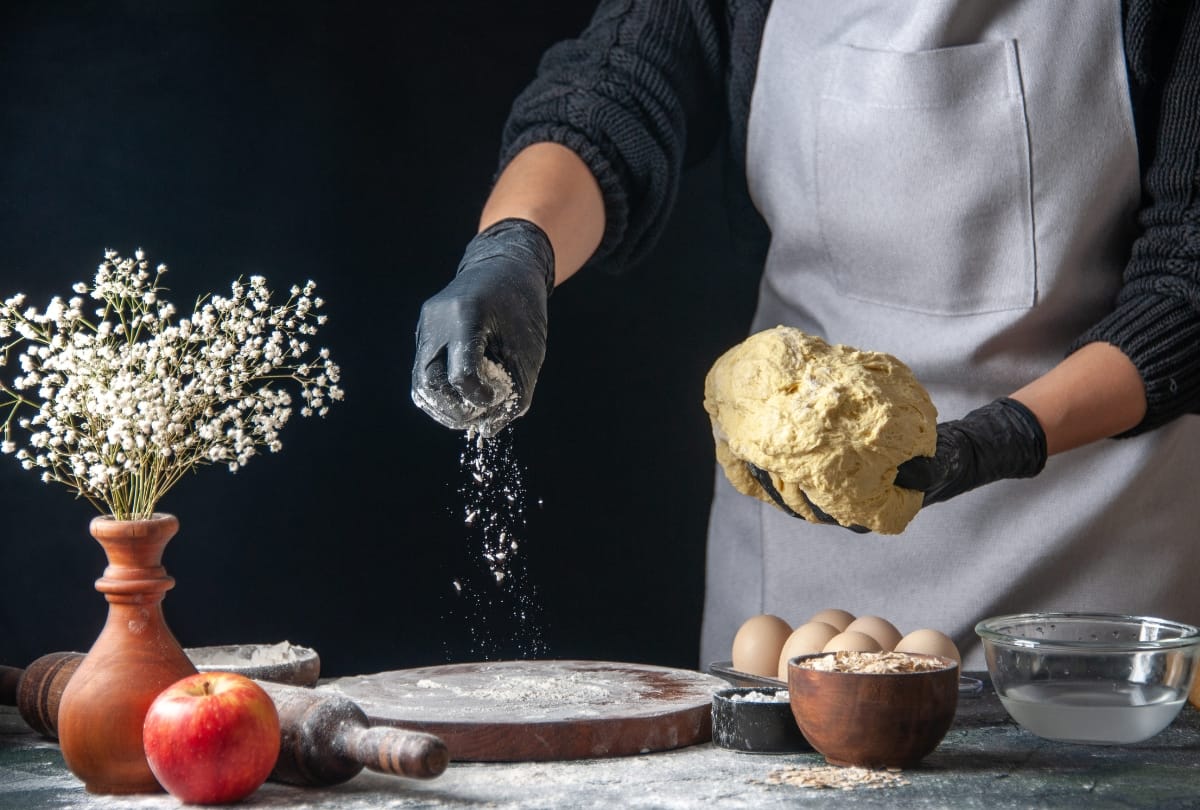
You're in the kitchen, ready to embark on a new baking adventure. Perhaps a beautiful cake or a stack of fluffy pancakes ? Then you encounter a question that might be a bit more common than expected: should you use all-purpose flour or self-rising flour? It seems like a simple question, but choosing the right flour can make a world of difference to the final result of your culinary creation. Let's delve deeper into the differences between all-purpose flour and self-rising flour, so you can make the best choice for your baking project.
What is a flower anyway?
Flour is one of the most versatile ingredients in the kitchen. It's a finely ground flour often used for baking, cooking, and even as a thickener. Flour is made from wheat and contains gluten, which plays a key role in developing the structure of many baked goods. You can find different types of flour, including all-purpose flour, whole wheat flour, and spelt flour, each with its own texture and flavor profile. Because flour doesn't contain leavening agents, it gives you complete control over the rise of your baked goods.
You might be wondering: why choose all-purpose flour when you can use self-rising flour? The flexibility and control offered by all-purpose flour allow you to add leavening agents like yeast or baking powder, depending on what you're baking.
And what is self-raising flour then?
Self-rising flour is essentially flour to which a leavening agent (usually baking powder) and a little salt have been added. These additions ensure that your baked goods rise automatically during baking, which is especially useful if you're looking for speed and convenience in the kitchen. No hassle with measuring out leavening agents; you can get started right away. Self-rising flour is ideal for recipes like scones , muffins, and some biscuits where you want a light and airy texture.
This sounds perfect, right? And it often is! If you want to make a quick and simple baked good without the extra steps of measuring and mixing flour and leavening agents.
When do you choose flour?
You choose flour when you want complete control over the leavening agents in your recipe. Perhaps you want to experiment with the amount of leavening agent to achieve a specific effect, or you're working on a basic dough that relies on other leavening methods, such as sourdough or yeast. Flour is also a great choice if you're following a recipe outside the usual repertoire, such as a stiff bread or pasta dough. In short, flour gives you the freedom to get the structure and texture exactly how you want it. Because you believe experimentation is the key to the perfect result.
[product=pasta machine]
Want to make the tastiest pasta at home? With this chrome-plated pasta machine from Hendi, you'll make delicious fresh pasta every time. A pasta machine is ideal for anyone who loves pasta.
[/product]
And when for self-rising flour?
Self-rising flour is your best friend if you want to bake quickly and without too much hassle. It's ideal for beginner bakers who might not feel comfortable measuring baking powder or salt precisely. Does your cake need airiness, or do you need extra fluffy pancakes? Then self-rising flour is the solution. Even if you're looking to save time, self-rising flour offers convenience without compromising flavor.
What does the difference mean for your baking?
Choosing between all-purpose flour and self-rising flour can affect the texture, flavor, and density of your baked goods. All-purpose flour can be firmer and denser, while self-rising flour tends to be lighter and fluffier. Did you know that the amount of protein (gluten) in flour affects texture in different ways? Plain flour, which has a lower protein content than bread flour, produces softer and fluffier baked goods. Self-rising flour often already possesses these qualities.
You have the control and freedom of choice with flour, but the convenience and instant results of self-rising flour can make a big difference in your baking enjoyment and time investment.
Finally
In the world of baking, there are no strict rules, only guidelines that can help you achieve your desired result. Whether you prefer all-purpose flour or self-rising flour depends on your personal preferences, your baking experience, and, of course, the recipe you're making. Know that the right choice can significantly impact your final result. If you want more control and flexibility in your recipes, go for all-purpose flour. If you're looking for convenience and speed without the hassle, choose self-rising flour.
Try both in different recipes and discover what you prefer in your baking. After all, baking is a combination of science and personal taste, so experiment and enjoy every sweet or savory creation that comes out of your oven. Happy baking!

Leave a comment
This site is protected by hCaptcha and the hCaptcha Privacy Policy and Terms of Service apply.