
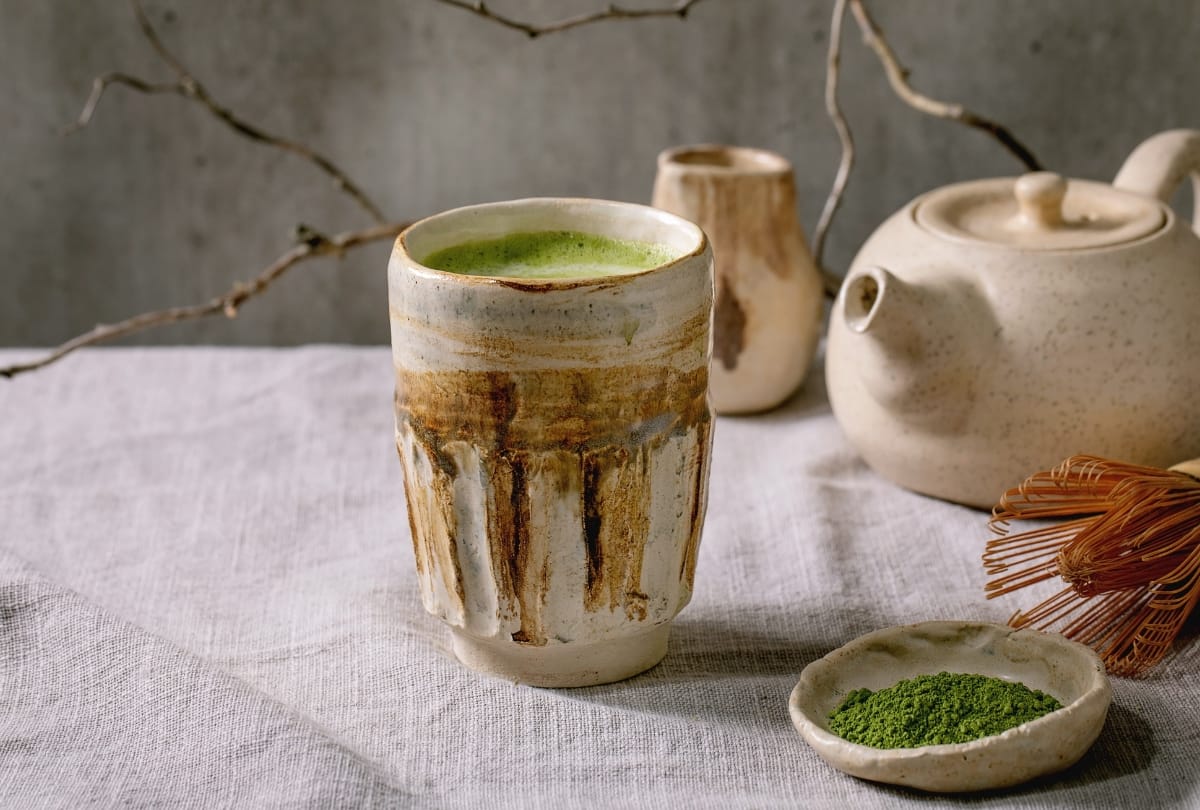
Have you ever realized you actually quite like the bitterness of matcha? Matcha is an ancient Japanese green tea that has become increasingly popular in the Western world in recent years. This rich green tea is known for its unique flavor profile: a complex blend of sweetness, umami, and yes, bitterness. But why do so many people find that bitter taste so appealing? Let's delve deeper into the world of flavors and understand what makes matcha so special.
The essence of matcha
Matcha is made from the leaves of the Camellia sinensis plant. These leaves are carefully hand-picked, steamed, dried, and then ground into a fine powder. This meticulous method ensures you experience the full flavor of the leaves. When you drink matcha, you consume the entire leaf, unlike other teas where only water percolates through the leaves.
But what makes matcha different? The answer lies partly in the way the tea is grown. The matcha bushes are shaded in the weeks leading up to harvest. This increases the production of chlorophyll and amino acids, which contribute not only to the vibrant green color but also to the unique flavor and nutritional benefits.
Understanding Bitterness
Bitter is one of the five basic tastes the human tongue can detect, along with sweet, sour, salty, and umami. Evolution has helped us recognize bitter as a potential indicator of harmful substances. But bitterness often plays a more significant role in presenting complex taste sensations. Think of the taste of dark chocolate, coffee, or certain vegetables like Brussels sprouts. They all possess a certain bitterness that appeals to many people.
When you take a sip of matcha, you'll immediately notice it offers something different to your taste buds. The natural chlorophyll and polyphenols, such as catechins, contribute to matcha's bitter purity. While these compounds can cause a bitter taste, they're also responsible for many of matcha's health benefits, such as antioxidants and energy boosts.
Bitter versus sweet: a delicate balance
Interestingly, matcha's popularity is partly due to its playful balance of bitterness and sweetness. When you drink matcha, you'll often find it accompanied by a hint of sweetness—either from added sweeteners or from the natural sugars in the tea itself. This sweetness tempers the bitterness, creating a harmonious and complex experience. It's precisely these contrasts that are so appealing to many tea lovers.
The balance of bitterness and other flavor elements in matcha creates a sensational taste that appeals to both novice and experienced tea drinkers. This is a similar reason why people appreciate balanced flavors in culinary dishes, where bitter ingredients often complement sweet, sour, or umami.
The psychology of tastes
So, what determines whether you like bitterness? Our taste preferences can be influenced by various factors, such as culture, experiences, and even genetics. Most of what we know about flavors is influenced by what we tasted and learned as children. Yet, flavors, even those we once thought we didn't like, can win our hearts. We often associate bitterness with refinement and maturity, perhaps because all adults seem to enjoy things like coffee, red wine, and tonics.
Our expectations and the social context also play a role. For example, drinking matcha in a setting where it's presented as a delicacy, such as during a traditional Japanese tea ceremony, can positively influence your perception of the taste.
Combining Matcha in the kitchen
Matcha's bittersweet flavor makes it a suitable ingredient in various culinary creations. You can mix the powder with milk and sweeteners to create a creamy matcha latte, which is often considered a good starting point for newcomers. Make your own matcha latte with homemade coconut milk .
In the baking world, matcha is often found in cakes , cookies , and even pancakes . The earthy note of matcha provides a sharp contrast to the usual sweetness of these treats, creating a well-balanced flavor.
If you're not afraid of a flavour adventure, cooking with matcha offers you a range of possibilities to experiment with this special bittersweetness.
So the next time you wonder why you're enjoying that cup of bitter matcha, remember you're embarking on an ancient journey of flavor. A journey that not only tantalizes your taste buds but also connects you with a rich cultural tradition and opens up a world of complexity and balance. Let the bitterness inspire you to explore and experience your senses like never before.

Samen koken we slimmer
Ontvang 5% korting op je eerste bestelling



Leave a comment
This site is protected by hCaptcha and the hCaptcha Privacy Policy and Terms of Service apply.