
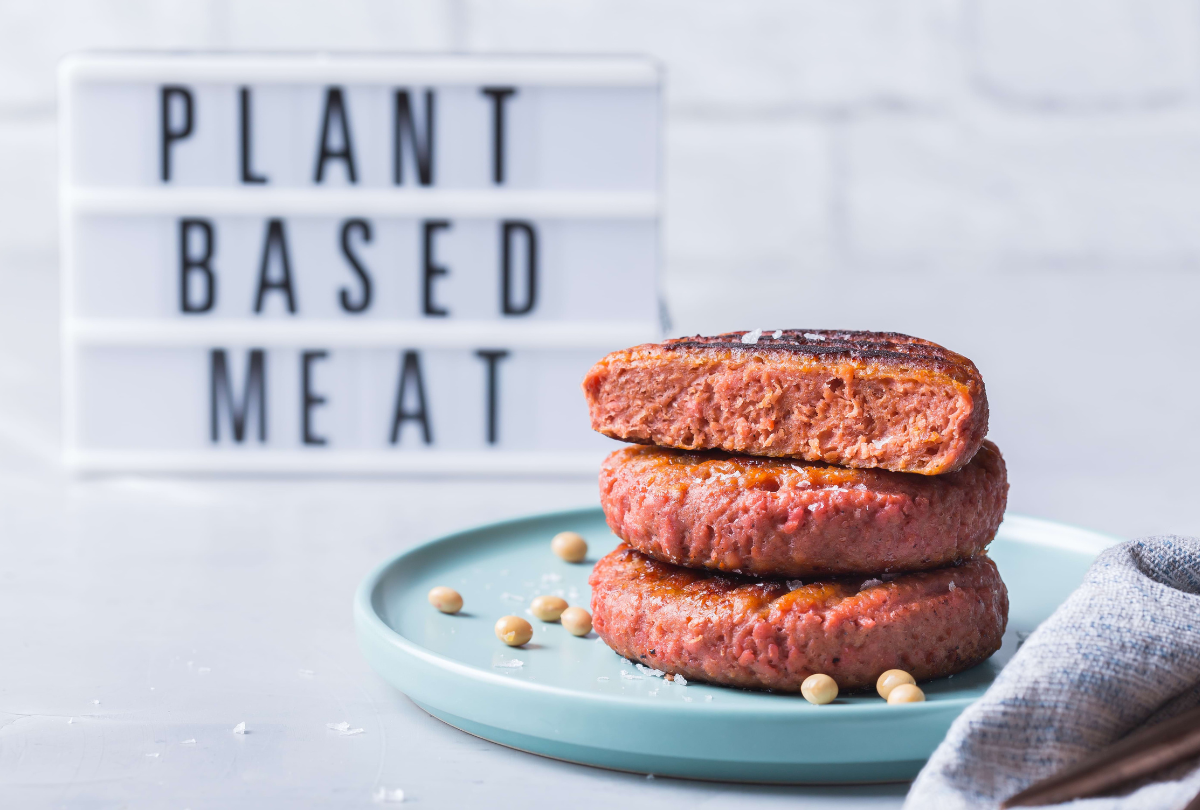
We all crave the delicious flavors and textures of traditional meat, but with the growing trend toward plant-based, sustainable diets, many people are looking for enjoyable alternatives. What if you could control what you eat and make your own meat substitutes? Baumhaus, Blikant, and Tofu are just a few meat substitutes you can make yourself and customize to your liking. Let's talk about why you should consider making your own meat substitutes.
What are meat substitutes anyway?
Meat substitutes, often referred to as meat alternatives, are food products designed to mimic the taste, texture, and nutritional profile of meat while being primarily plant-based. These alternatives contain ingredients such as legumes, nuts, seeds, grains, and vegetables. Tofu and tempeh, for example, are made from soybeans, seitan is made from gluten, while other meat alternatives are made from legumes, nuts, seeds, and vegetables. The ingredients are combined and cooked to mimic textures, from coarsely ground to tender and juicy "meat." Meat substitutes are often used in traditional meat recipes—from burgers and tacos to stir-fries and lasagna .
How do you make meat substitutes?
Making your own meat substitutes is a perfect way to diversify dinner or a barbecue. Homemade meat alternatives allow you to choose the ingredients and flavors you enjoy most. A handy trick is to choose the base ingredient based on your desired texture—tofu or tempeh for something firm, lentils or beans for something crunchy, or perhaps seitan for a more "meat-like" texture. Season with various herbs, spices, sauces, and marinades, and then form it into burgers, sausages, or whatever you like.
How do you store meat substitutes?
Homemade meat substitutes can be frozen for later use. Make sure they're completely cooled before freezing, and use freezer-safe containers or bags to store them. They can last up to 3 months in the freezer. You can also keep them in the refrigerator for 3-5 days, depending on the ingredients. Always make sure to store them in an airtight container to ensure freshness.
Good for the planet
Making your own meat substitutes is not only delicious and healthy, but also sustainable. Producing plant-based proteins has a much lower environmental impact than producing animal proteins, reducing carbon emissions, water, and land use.
Let's get started!
Now that you know how to make your own meat substitutes and how to store them, it's time to get started! Start with simple recipes and experiment with different flavors and textures. You'd be surprised how easy it is to create a flavorful, nutritious meal without a single piece of meat. So, grab your apron and put on your cookbook—it's time to transform your kitchen into a DIY plant-based butcher shop!

Samen koken we slimmer
Ontvang 5% korting op je eerste bestelling



Leave a comment
This site is protected by hCaptcha and the hCaptcha Privacy Policy and Terms of Service apply.