
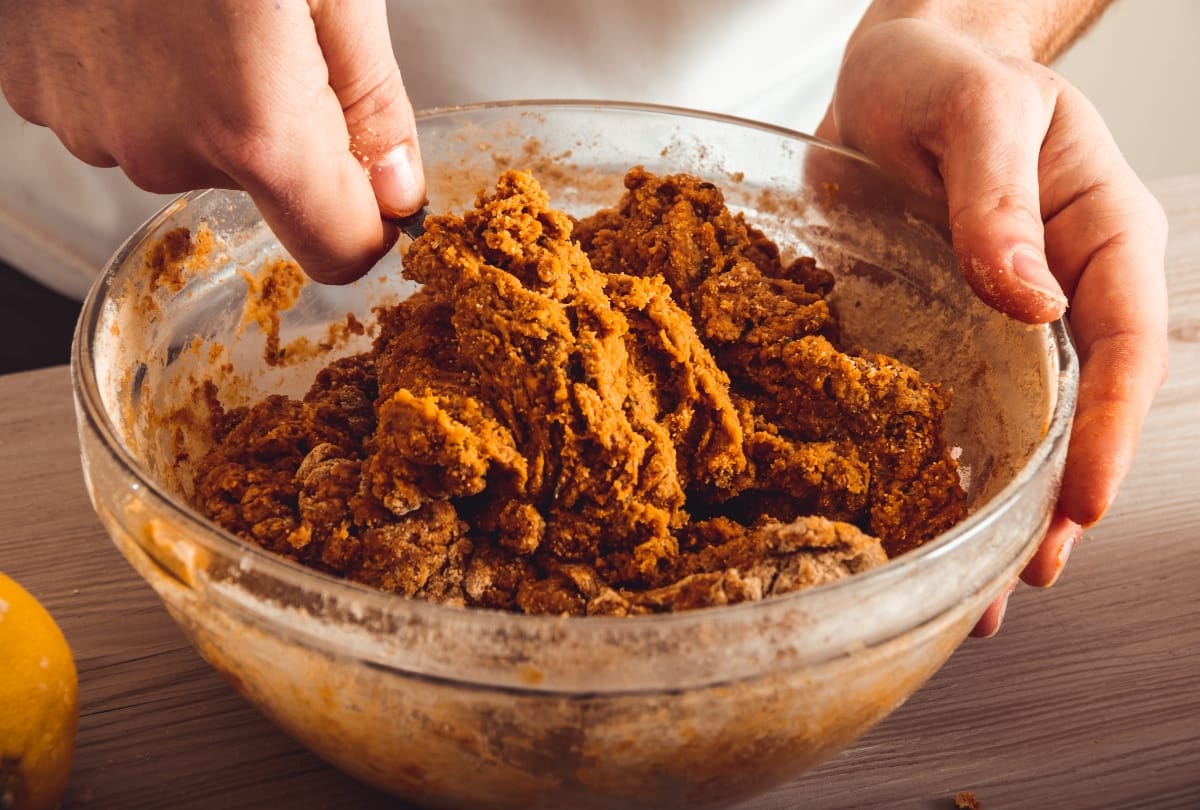
Tired of the ready-made curry pastes you find in the supermarket? Looking for the original flavor of a homemade curry bursting with authenticity? Then you're ready to discover the secret of making your own curry paste. Making your own curry paste at home is not only satisfying, but you can also truly taste the difference in quality and flavor. Plus, you have complete control over the ingredients, which is ideal if you have a preference for certain spices or follow a specific diet.
What is curry paste anyway?
Curry paste is the secret ingredient that gives every Asian curry its distinctive flavor and aroma. It's a carefully crafted blend of various spices, herbs, and chili peppers that combine to create a powerful paste. Key ingredients often include onions, ginger, garlic, chili peppers, coriander, turmeric, cumin, and lemongrass. Depending on the region or specific curry type, other ingredients may be added. Curry paste is traditionally used in various Asian cuisines, particularly Thai and Indian. Whether it's a creamy coconut curry or a powerful red curry, the foundation always remains the same: a rich, spicy, and aromatic curry paste.
How do you make curry paste?
Making your own curry paste is a satisfying process that begins with gathering fresh ingredients. Then you roast the dried spices to release their aromas, add the fresh herbs, and grind everything into a fine paste in a mortar and pestle or food processor.
The process can vary depending on the specific curry paste you're making. For example, for a Thai green curry paste, you'd want to use green chilies, while for a red curry paste, you'd use red chilies. The key to a successful curry paste is finding the perfect balance of sweet, sour, spicy, and umami.
How do you store curry paste?
It's best to use your homemade curry paste immediately, but if you have any leftovers, you can store them in an airtight container in the refrigerator for up to a week. For longer shelf life, you can also freeze the curry paste. Portion it into ice cube trays and freeze. Once frozen, transfer it to a freezer bag or container and store it for up to six months.
Why make your own curry paste?
Making your own curry paste has many advantages. Not only do you get a fresher, more intense flavor than store-bought versions, but you can also adjust the heat and flavors to your liking. Whether you want to experiment with different spice combinations or are following a specific diet (such as vegan or gluten-free), homemade curry paste gives you the freedom to choose what you eat.
Let's get started!
Making your own curry paste is an adventure waiting to happen. While it may seem a bit time-consuming, the results are absolutely worth it. So, say goodbye to those pre-made jars and delve into the fascinating world of homemade curries. Get to work, adventurous cooks!

Samen koken we slimmer
Ontvang 5% korting op je eerste bestelling

Leave a comment
This site is protected by hCaptcha and the hCaptcha Privacy Policy and Terms of Service apply.