
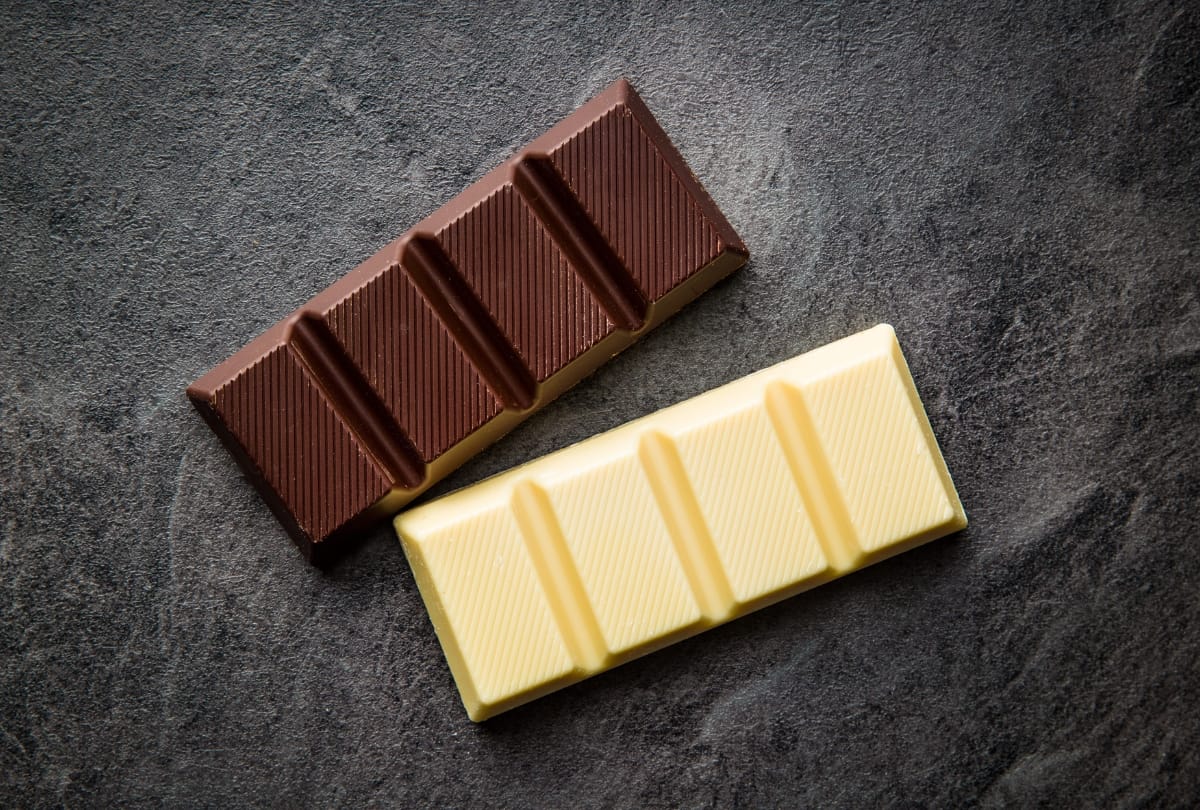
In the world of chocolate, there are countless choices to be made. One of those choices is the difference between white chocolate and dark chocolate. Both types have their unique flavor profiles, and they can contribute to your culinary creations in different ways. But when should you choose white chocolate, and when is dark chocolate the best option? In this blog post, we delve deeper into the flavor nuances and ideal uses of both types of chocolate. Because as a chocolate enthusiast, you want the best results in the kitchen.
What makes white chocolate different?
To begin, it's helpful to understand the difference between white and dark chocolate. White chocolate contains cocoa butter, sugar, and milk solids. The lack of cocoa mass in white chocolate means it lacks the intense flavor of cocoa. This gives it a creamy, sweet taste that's beloved in various sweet pastries and desserts. You're probably familiar with the soft, buttery texture of white chocolate. This characteristic makes it wonderful for creating rich, rich sauces or foamy fillings. Think buttercream for a cake or a creamy ganache for macarons.
White chocolate also works beautifully with other strong flavors, such as vanilla, fruit, and nuts. A classic combination you may have tried is white chocolate and raspberries. The sweetness of the chocolate contrasted with the tart, refreshing flavor of the berries is a match made in heaven. You can use it to make a light white chocolate pudding or incorporate it into a tempting cheesecake.
What makes dark chocolate stand out?
At the other end of the spectrum, we have dark chocolate, which contains a high cocoa solids content and therefore has an intense, rich flavor. Its bitter and full flavor makes this chocolate ideal for recipes that call for a powerful chocolate experience. Think of a classic chocolate cake , brownies , or a decadent chocolate mousse .
Dark chocolate contains less sugar than its white counterpart, making it considered healthier. This increased cocoa mass provides antioxidants and may even benefit your heart and blood vessels. Ever wondered why a piece of dark chocolate can sometimes give you a boost? It's because it contains theobromine, a natural stimulant similar to caffeine. Perfect if you want to give your dessert a little extra kick.
When do you choose which chocolate?
Now that you have a good understanding of the differences, you might be wondering which chocolate to use and when. The choice depends on the flavor you're aiming for and the dish you're preparing. If you're looking for a subtle, creamy flavor that pairs well with other ingredients, white chocolate is your go-to. For recipes where chocolate flavor is paramount, such as brownies or a rich mousse, dark chocolate is essential.
When choosing chocolate, quality is also important. Always choose high-quality chocolate, whether white or dark. Good chocolate, with fewer additives and a higher cocoa butter or liquor content, will significantly enhance your dish. Flavor and texture truly matter. After all, you can taste quality in every bite.
Creative combinations
You might also ask: why not combine them? Combining white and dark chocolate can create exciting flavors and visually appealing desserts. The differences in flavor and color allow you to create unique layers and contrasts in your dishes. Imagine a layered dessert with alternating white chocolate and dark chocolate ganache, or perhaps a marbled effect in a chocolate cake. The possibilities are endless and offer plenty of room for creativity.
The answer to your chocolate choice
Remember, there's no right or wrong when it comes to choosing between white and dark chocolate. It all comes down to what you're aiming for and how you want to balance the flavors of your dessert or dish. Whether you prefer the pure, intense flavor of dark chocolate or the creamy smoothness of white chocolate, both have their time and place in the kitchen.
So the next time you're standing in front of the chocolate aisle, consider the unique possibilities white and dark chocolate can offer for your culinary adventures. Be inspired by their unique properties and create magical flavors that will delight all your senses.


Leave a comment
This site is protected by hCaptcha and the hCaptcha Privacy Policy and Terms of Service apply.