
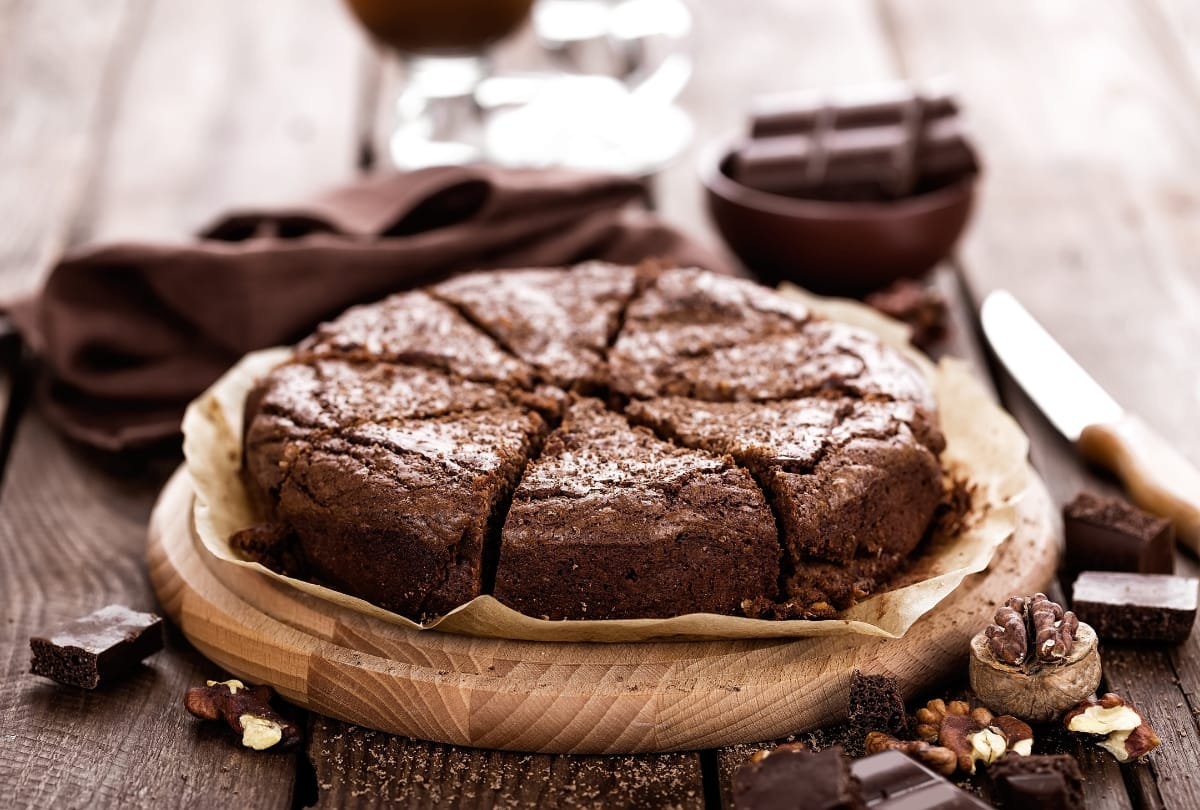
Chocolate: it's one of those delicious ingredients that almost everyone has in their kitchen. Whether you're an avid home baker or just occasionally dip into the kitchen, you might be wondering: which chocolate should you use for baking? And more importantly, should you choose milk chocolate or dark chocolate? The answer isn't as simple as you might think, as both types have their own unique properties and flavors that can have different effects on your baked goods.
The taste of chocolate
When it comes to baking with chocolate , flavor plays a crucial role. Milk chocolate is known for its creamy and sweet flavor profile. It's beloved by many for its smoothness and sugary sweetness. This chocolate also contains milk powder or condensed milk, which contributes to its creamy texture. Dark chocolate, on the other hand, has a higher cocoa content and less sugar, giving it a rich and intense cocoa flavor. This bitter note makes dark chocolate appealing to those seeking more depth in their chocolate experience.
The role of chocolate in your baking
So, when do you use milk chocolate and when do you go for dark chocolate? It all depends on the type of cake and the flavor you're trying to achieve. Imagine you want to make a sweet and creamy chocolate fudge cake : milk chocolate is perfect for this. Because milk chocolate is sweeter, it adds a delicate, subtle sweetness to your cake. This keeps the other flavors balanced without the chocolate becoming overpowering.
However, if you're looking for a deeper, decadent chocolate flavor, for example, in a brownie , dark chocolate is the perfect choice. Dark chocolate is also a great choice for a chocolate cake . The richness and complexity of dark chocolate will elevate your baking. The intense flavor makes the chocolate the star of the dish. You can also add less sugar to the recipe because dark chocolate already has a naturally rich flavor.
The influence on the texture
Besides flavor, the type of chocolate you choose also affects the texture of your baked goods. Milk chocolate can create a smoother, softer consistency. This can be ideal for desserts that require a light and airy texture, such as mousses or puddings. Because milk chocolate contains milk solids, it produces a fuller, creamier texture.
On the other hand, dark chocolate helps create baked goods with a firmer, more robust character. Think of the crust of a chocolate cake or the compactness of a traditional brownie. Dark chocolate melts at higher temperatures and, as it cools, develops a stiffer texture, which can contribute to the specific bite that some desserts require to be perfect.
Creative combinations
Of course, you don't have to choose one or the other. Sometimes a combination of milk and dark chocolate can create the perfect balance in a recipe. For example, when making a richly flavored cake, mixing the two can ensure that the sweetness of the milk chocolate balances the bitterness of the dark chocolate. This creates a depth of flavor that any chocolate lover will appreciate.
The final choice
You're the one who determines the culinary preferences in your kitchen. These decisions will depend on exactly what you want to achieve with your baking creations. Experts often recommend experimenting with different types of chocolate to discover which flavors and textures you enjoy best. Whether you choose milk chocolate, dark chocolate, or a combination of both, the most important thing is to choose what you like best.

Samen koken we slimmer
Ontvang 5% korting op je eerste bestelling

Leave a comment
This site is protected by hCaptcha and the hCaptcha Privacy Policy and Terms of Service apply.