
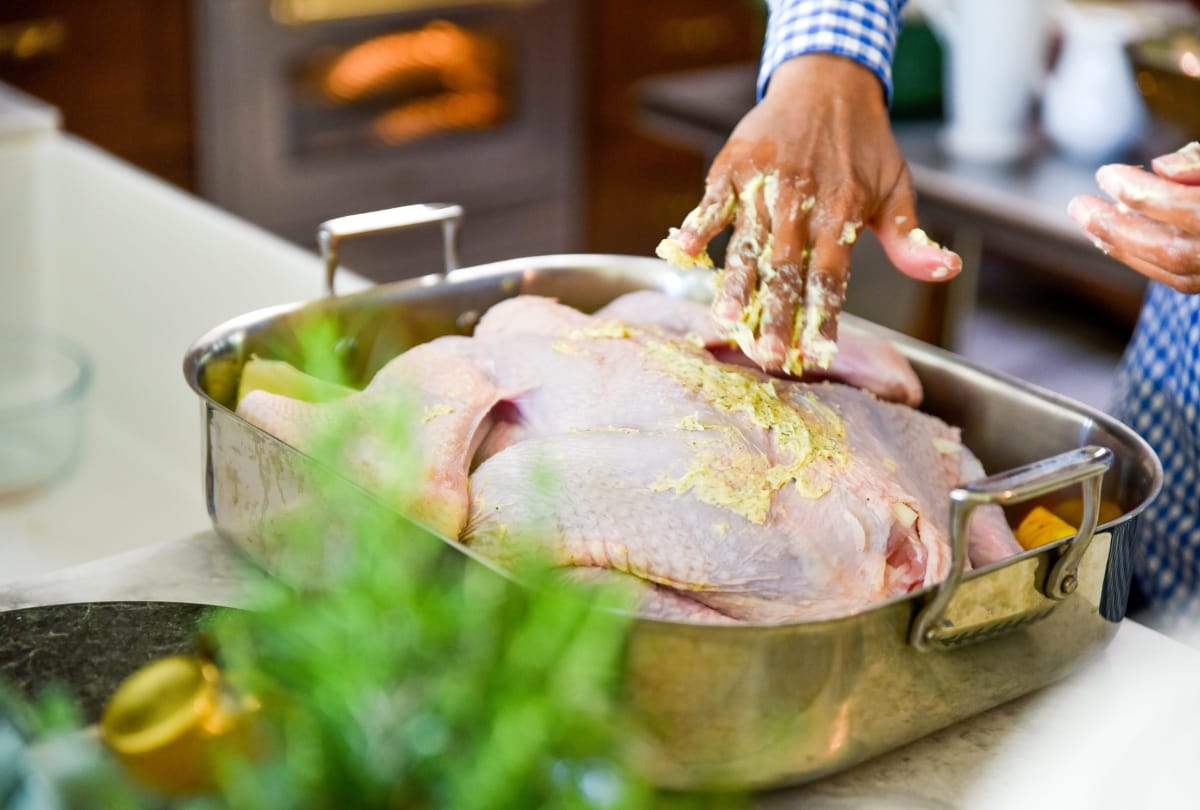
Preparing a turkey roast can be a real challenge, especially if you're aiming for a perfectly juicy and tender result. Have you ever felt like your roast was too dry or overcooked? You're certainly not alone. Many home cooks struggle with determining the correct doneness. This is where the art of measuring the core temperature comes in. With this technique, you can ensure your turkey roast arrives perfectly cooked from now on.
Why core temperature matters
The secret to a perfect turkey roast lies in the correct core temperature. A turkey must be cooked through for safety, but also for flavor. Overcooking a turkey risks dryness. On the other hand, cooking it too low can be hazardous to your health. By measuring the core temperature, you'll know exactly when your roast has reached the correct doneness. This is essential for a safe and delicious result.
What is the ideal core temperature?
For a turkey roast, experts recommend aiming for an internal temperature of around 74 degrees Celsius. This is the temperature at which the meat is safe to eat while retaining its juiciness. Measuring the internal temperature is easy with a food thermometer. Insert the thermometer into the thickest part of the roast, without touching the bone, for an accurate reading.
You'll find that the thermometer becomes your best friend in the kitchen! By using this tool, you eliminate the guesswork and gain confidence in your cooking.
Step-by-step preparation
Let's start with the preparations. You want your turkey not only to be well-cooked but also full of flavor. Here's a simple step-by-step plan to get you started.
Thaw the roast: Make sure your turkey is completely thawed before you begin. This can take anywhere from a few hours to a day, depending on the size.
- Season the turkey: Flavor is everything! Use a blend of herbs like thyme, rosemary, garlic, and lemon to marinate your roast. Let it sit in the refrigerator for a few hours, or even better, overnight.
- Preheat the oven: Set your oven to 180 degrees Celsius. An even temperature ensures the best results.
- Place the turkey in the oven: Place your turkey roast in the oven and let it cook slowly. This is when your kitchen will fill with delicious aromas, so enjoy!
- Measure the core temperature: The crucial moment has arrived. After about 75 minutes, the measuring process begins. Keep the thermometer handy and check regularly, especially towards the end of the cooking time.
Tips for a juicy and tasty result
- Choose the right baking time: While the core temperature is your best guideline, the baking time can vary depending on the size of your turkey roast. A general rule of thumb is to allow 20 minutes of baking time per pound of turkey.
- Let it rest: Once the turkey has reached its ideal temperature, remove it from the oven and let it rest for 15-20 minutes before carving. This allows the juices to permeate the meat, making every bite deliciously juicy.
Experiment with fillings and flavors: Turkey is versatile! Stuff your turkey with fresh herbs, fruit, or a classic stuffing to add your own personal touch to this classic dish.
Common mistakes and how to avoid them
Preparing a turkey roast can sometimes bring surprises. Do you recognize the frustration when your turkey doesn't turn out as planned? Here are some common mistakes and how to avoid them.
- Forgetting to marinate: A tasteless turkey can be easily prevented by using the right spices. Take your time for a good marinade.
- Misusing the thermometer: Read the instructions carefully and avoid holding the thermometer against a bone. This can cause an incorrect temperature reading.
- Be quick: Skipping rest time can be tempting when your mouth is watering, and waiting a few minutes really makes a difference in the juiciness.
Remember, preparing a turkey roast is a skill that requires practice. With each roast you prepare, you'll become better and more confident. So the next time you want to serve an inviting turkey pie, use these tips and tricks to impress your guests. Enjoy the process and the delicious results!

Samen koken we slimmer
Ontvang 5% korting op je eerste bestelling


Leave a comment
This site is protected by hCaptcha and the hCaptcha Privacy Policy and Terms of Service apply.