
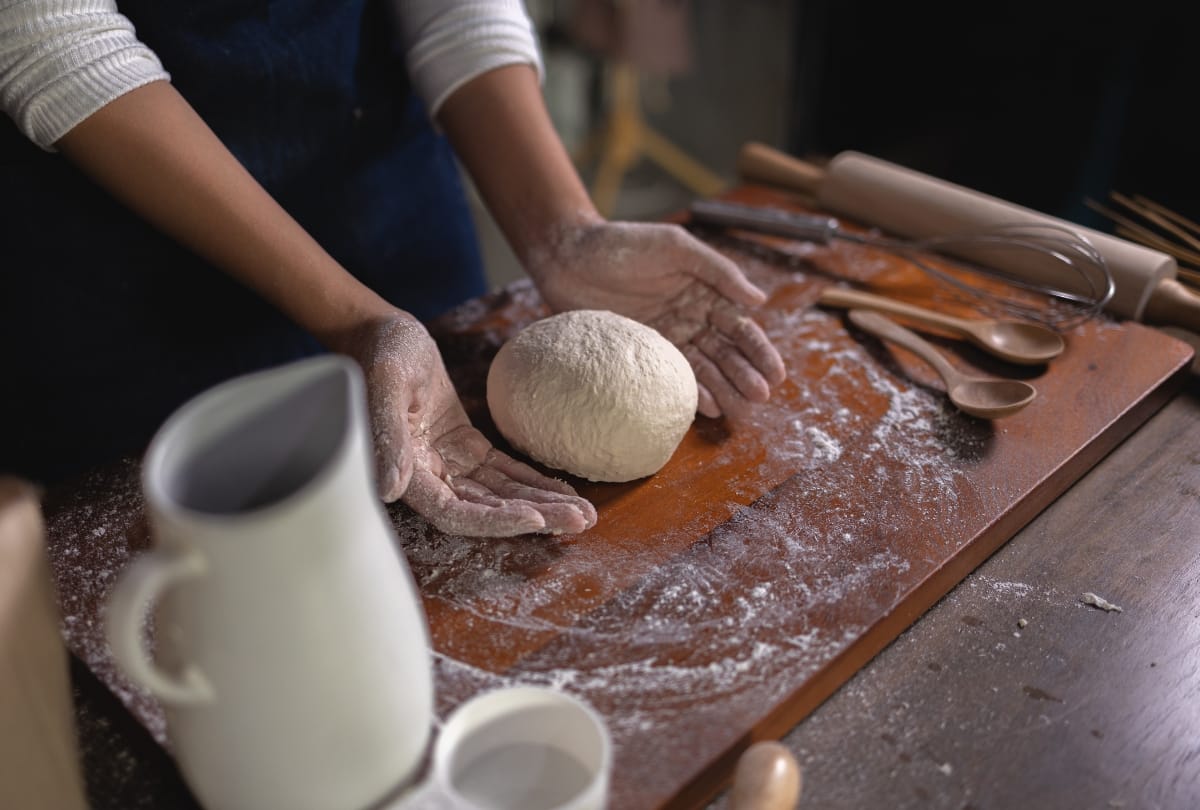
Baking bread can be a magical process. With just a few simple ingredients, you can transform a mound of dough into a fragrant, crispy treat. But what if you're looking forward to freshly baked bread, open your oven, and are disappointed to find a flat, compact loaf? It happens to even the best bakers. What could possibly go wrong if your bread doesn't live up to expectations? Let's take a look at some common causes.
The dough and its secrets
The cornerstone of a delicious loaf is, of course, the dough. How you handle it determines the final result. Feel the frustration already when your dough refuses to cooperate? It might feel too dry or too wet. Both extremes can lead to rising problems.
Hydration. A well-hydrated dough rises smoothly and evenly. Dough that is too dry will not. Check your recipe to ensure the water and flour ratios are correct. Too much flour can prevent the dough from having enough moisture to develop the right texture.
Kneading technique. Are you kneading the dough enough? Insufficient kneading prevents the gluten from developing properly. This gluten is responsible for the structure and elasticity of your bread. Make sure you knead the dough thoroughly for at least ten minutes, or until it forms a smooth ball that springs back when pressed.
Temperature works wonders
Did you know that the temperature of both your ingredients and your environment affects your bread? Bakers know this, and it's a crucial element.
Lukewarm liquids. The temperature of your water or milk can be crucial. Too warm and you'll kill the yeast, causing the dough to barely rise. So make sure the liquid component is around 37°C (98.4°F)—not too warm, not too cold.
Ambient temperature. Bread dough thrives in a warm, draft-free place. If your kitchen is on the cool side, it might be helpful to preheat an oven to 30°C (86°F) and place the dough there to rise. Or leave it on a sunny windowsill for a while, if the sun comes out.
[product=fiberglass oven mitts]
Imagine a kitchen where you have complete control over every dish you prepare. That's no longer a dream with Hendi fiberglass oven mitts.
[/product]
The power of yeast
Yeast is the engine of your bread. Without yeast, there's no rise. Until it doesn't deliver the results you expect.
Fresh or dried yeast. Always check the expiration date on your yeast. Expired yeast loses its activity. Incorrect storage can also make yeast unusable. You can easily test if your yeast is still active by mixing it with a little warm water and sugar; it should foam within a few minutes.
Excessive proofing . Yes, it sounds contradictory, but proving too long can also cause a flat mess. If your dough rises too long, you'll end up with over-rising, and the bread will collapse when you put it in the oven.
Time for action!
Now that you're aware of these common obstacles, it's time to take action. You have the power to ensure perfect bread. Test your yeast before you start, monitor your dough's hydration, and create a comfortable temperature for your bread to rise.
It's understandable to get frustrated when plans fall apart. Yet, a small change in approach can make a big difference. Try different recipes until you find the steps and proportions that work for you. And remember: baking is an art and a skill. Enjoy the learning process and, above all, savor your homemade bread. With each attempt, you'll be closer to that perfect, fluffy loaf you've been hoping for.



Leave a comment
This site is protected by hCaptcha and the hCaptcha Privacy Policy and Terms of Service apply.