Why You Should Have the Cast Iron Skillet
Extremely durable and long lifespan– this pan will last for years.
Natural non-stick coating– no chemical coatings required, ideal after baking.
Perfect heat distribution– ensures evenly cooked dishes.
Versatile in use– suitable for meat, stews and soups.
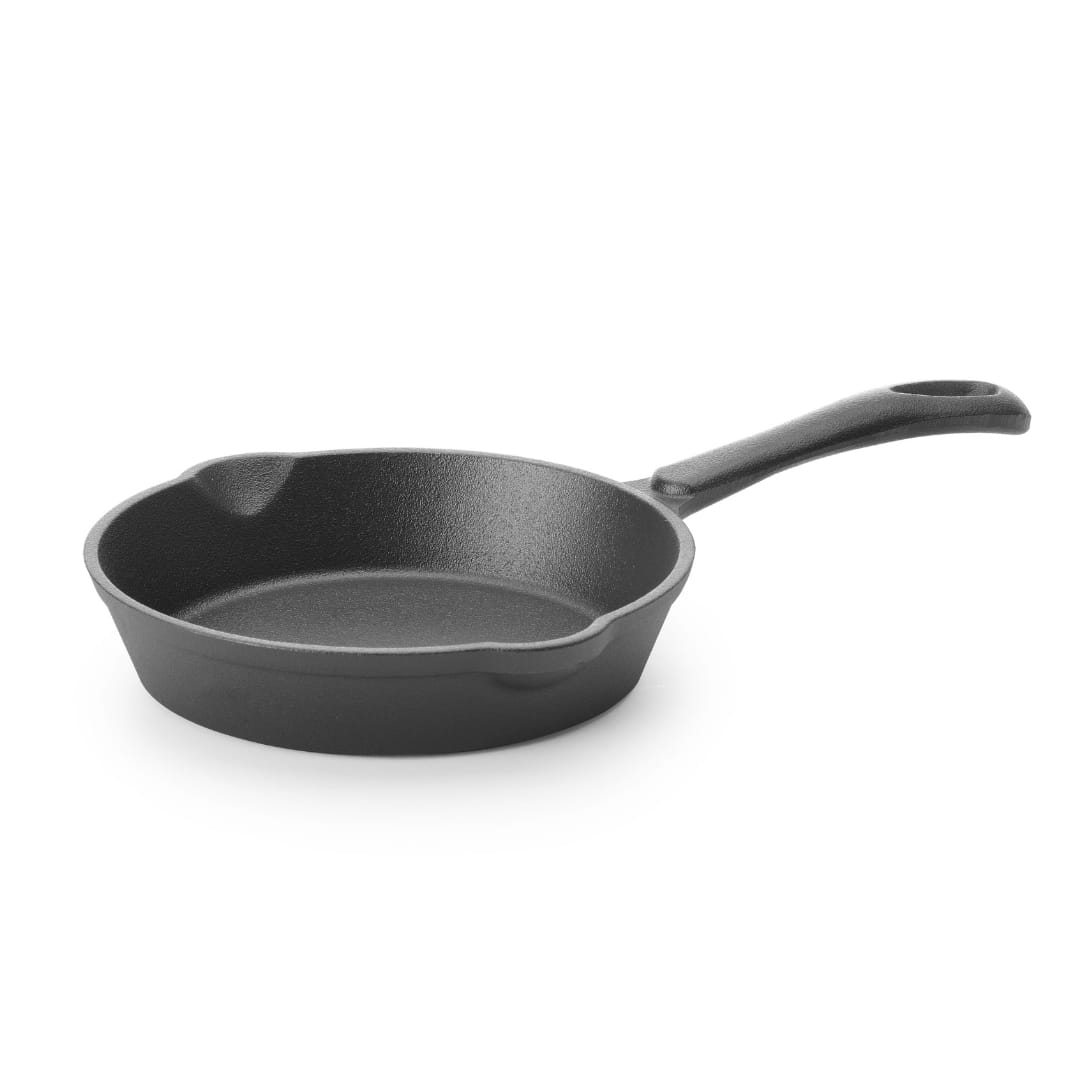
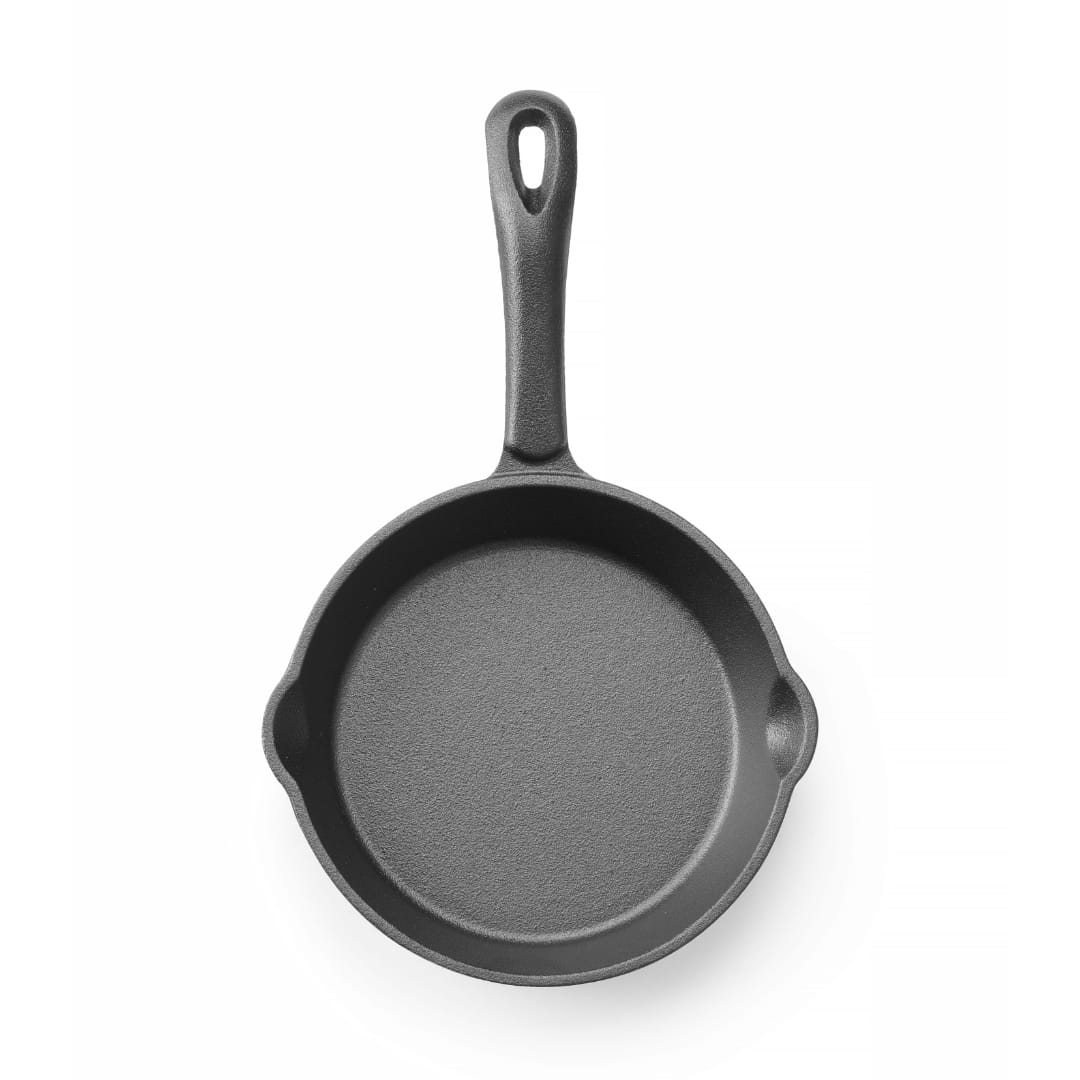
Handy pouring spouts– easy pouring without spilling.
Durable and robust design
The cast iron skillet is built to last. The material is naturally extremely durable and can withstand high temperatures. This means the pan is suitable for both the oven and stovetop. Whether you want to slowly simmer a stew or quickly sear a steak, this skillet can handle it all. The cast iron retains heat for a long time, ensuring your food cooks evenly and stays warm, even after cooking.
Natural non-stick coating after seasoning
Unlike pans with a chemical non-stick coating, a cast iron skillet develops a natural non-stick layer after seasoning. This prevents your food from sticking and makes the pan easier to clean, even after heavy use. Seasoning is a process in which you oil the pan and heat it, creating a protective layer on the surface. A major advantage of this is that the layer only improves over time.
Versatile in use
Whether you want to sear a delicious piece of meat, slowly simmer a stew, or simply fry an egg, the cast iron skillet can do it all. This versatile cast iron pan can be used on virtually all heat sources, including gas, induction, electric, and even oven cooktops. Thanks to its dual pour spouts, you can easily pour sauces or fat from the pan without spilling, making the cooking process even easier.
Handy handle and hanging option
This skillet's large handle makes it easy to move, even when hot. It also features a handy eyelet for hanging the pan when not in use. This not only keeps your kitchen tidy but also provides a convenient way to keep your pan within easy reach.
Easy maintenance
Although the cast iron skillet isn't dishwasher-safe, maintaining it is easy. After cooking, simply clean the pan with warm water and a soft brush. Don't use dish soap, as this can damage the natural nonstick coating. After cleaning, dry the pan thoroughly to prevent rust. With proper care, this pan will remain your faithful cooking companion for years to come.