
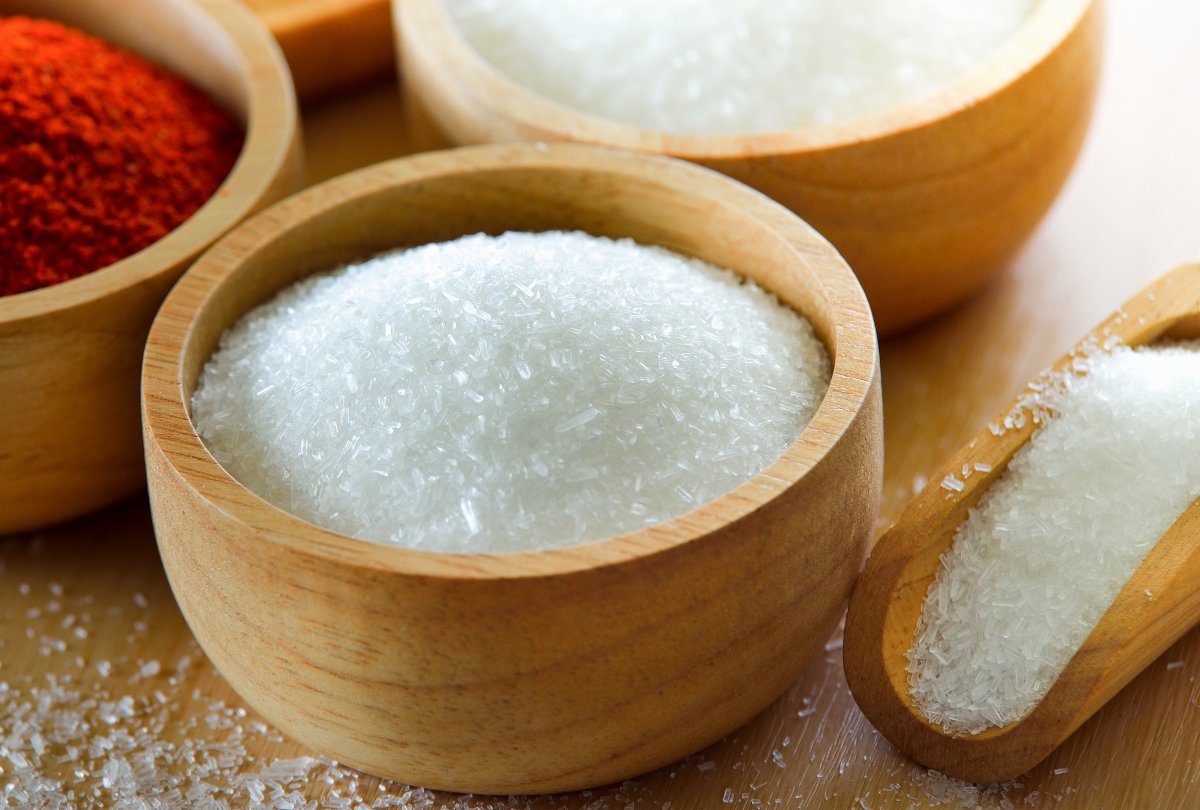
Ve-tsin, a flavor enhancer often used in Asian cuisine and processed foods, has received considerable attention in recent years. Ve-tsin is known for its powerful ability to enhance food flavor and add a savory umami taste to dishes. But there are also many questions and concerns about the potential negative effects of this substance on our health.
Some people claim to experience headaches, dizziness, and nausea after consuming foods containing ve-tsin, while others never experience any of this. This has led to a debate about the safety and use of ve-tsin in our food. Souvy investigated this for you. In this blog post, we'll delve deeper into the truth about ve-tsin and how it can affect our health. We'll also look at how ve-tsin is used in the food industry and the potential risks and benefits of consuming foods containing ve-tsin. Read on to learn more about this fascinating and sometimes controversial topic.

What is ve-tsin?
Ve-tsin is a well-known term in the food industry and is widely used as a flavor enhancer in foods. But what exactly is ve-tsin? Ve-tsin is the commercial name for monosodium glutamate (MSG), a chemical naturally occurring in some foods, such as tomatoes and cheese. MSG is produced by fermenting sugars, corn, or potatoes and is then purified and processed into a crystalline powder sold as ve-tsin.
Ve-tsin is widely used in Asian cuisine for its umami flavor, which can be described as savory, meaty, and brothy. Umami is the fifth taste, along with sweet, sour, salty, and bitter, and is often used to enhance the flavor of dishes. Ve-tsin's use as a flavor enhancer is not limited to Asian cuisine and is used in many foods worldwide.
What is ve-tsin used for?
Ve-tsin is a common flavor enhancer and is used in a wide variety of foods. Here are some of its most common uses:
Soups and broths: Ve-tsin is often used in soups and broths for its umami flavor, which enhances the savory, brothy taste.
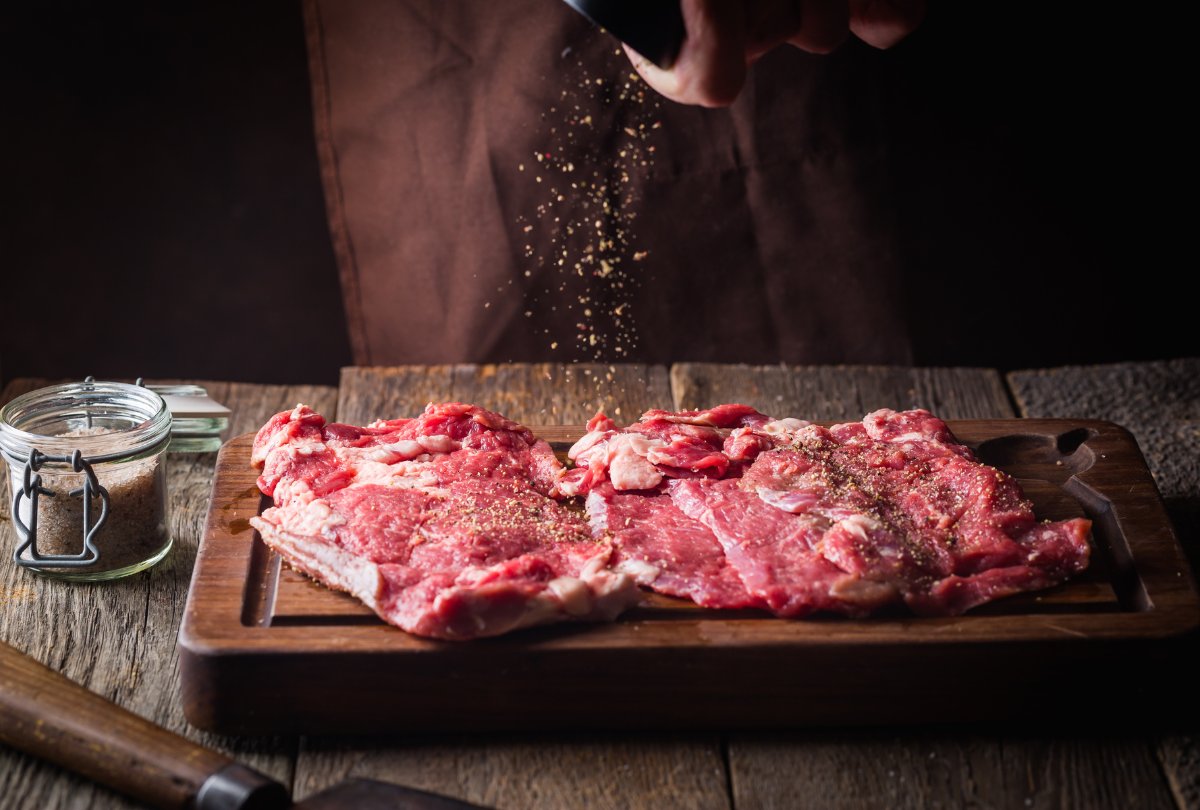
Spice mixes: Ve-tsin is often added to spice mixes to enhance flavor and bring out the spices. It's also used to enhance the flavor of meats and vegetables in marinades and rubs.
Ready-made meals: Ve-tsin is often added to ready-made meals to enhance and enhance their flavor. It's often used in frozen meals, soups, and sauces.

Snacks: Ve-tsin is sometimes used in snacks such as chips and crackers.
Sauces and dressings: Ve-tsin is often used in sauces and dressings to enhance and intensify flavor. It is used, for example, in soy sauce and oyster sauce.
Meat products: Ve-tsin is sometimes added to meat products such as sausages and ham to enhance flavor and improve texture.
Although ve-tsin is considered safe for consumption, some side effects have been reported in people sensitive to ve-tsin. Therefore, it's important to be aware of the amount of ve-tsin you consume and to use alternative flavor enhancers if you are sensitive to ve-tsin. Curious about the potential health benefits of ve-tsin? Then read on.
The possible health effects of ve-tsin
There are many questions and concerns about the potential negative effects of ve-tsin on our health. While it is safe to consume in small amounts, some people may be sensitive to ve-tsin symptoms and experience negative side effects such as headaches, dizziness, and nausea.
Increased appetite
One of the potential health effects of high-fat sulfate intake is that it can stimulate appetite and cause people to eat more than they actually need. This can lead to overweight and obesity, which in turn can increase the risk of several health problems, such as diabetes, heart disease, and stroke.
Headache and dizziness
There are also studies suggesting that ve-tsin can cause headaches, dizziness, and other symptoms in people sensitive to it. Some people may even experience allergic reactions after consuming foods containing ve-tsin.
Nervous system
In addition, a scientific article suggests that vesine can be harmful to the health of the nervous system. Further research is needed to confirm these findings, but it's something to keep in mind when consuming foods containing vesine.
If you are concerned about ve-tsin consumption, it is a good idea to limit your intake and choose foods that contain natural flavor enhancers, such as garlic, onions, and spices.
Ve-tsin and allergies
People allergic to ve-tsin may experience symptoms such as a rash, itching, and difficulty breathing. It's important to note that allergies to ve-tsin and ve-tsin symptoms are rare, and most people have no problems consuming foods containing this flavor enhancer. Other allergic reactions to ve-tsin can lead to symptoms such as hives, swelling of the mouth or throat, and difficulty breathing. People with asthma or a history of respiratory problems should exercise caution when consuming foods containing ve-tsin.
If you suspect you are allergic to ve-tsin or that you may experience ve-tsin-related symptoms, we strongly recommend discussing this with your doctor and undergoing tests to confirm the diagnosis. If you are indeed allergic to ve-tsin, you should avoid foods containing this flavor enhancer and seek out alternative flavorings that are safer for you. If you do not experience any ve-tsin-related symptoms or signs of an allergy, you can enjoy tasty foods containing ve-tsin – in moderation – without worry.
Ve-tsin in the food industry
Ve-tsin has become an indispensable part of the food industry these days. It's a flavor enhancer added to numerous foods, from chips to ready-made meals. The great thing about ve-tsin is that it provides that delicious umami flavor we all know and love. However, there are also some concerns surrounding ve-tsin.
Ve-tsin labeling and legislation
In many countries, labeling ve-tsin as an ingredient is mandatory. However, in some countries this is not required and ve-tsin can be classified as "flavor enhancers." There is debate about the need for transparent labeling of ve-tsin and other additives in food products, so that consumers can make informed choices. Due to the potential allergic reactions ve-tsin can cause, it is important that foods containing this flavor enhancer are clearly labeled.
In the Netherlands, the labeling and use of ve-tsin is regulated by European legislation. This legislation was developed by the European Food Safety Authority (EFSA), which provides scientific advice on food safety. The EFSA has determined that ve-tsin is safe under normal conditions and has recommended that its use remain within the acceptable daily intake.
In the European Union (EU), ve-tsin is approved as an additive for use in foods under the name monosodium glutamate (E621). According to EU law, foods containing E621 must be clearly labeled with the term "monosodium glutamate" or the abbreviation "MSG" in the list of ingredients. Ve-tsin labeling is also mandatory in Australia and New Zealand. This is stipulated in Standard 1.2.4 of the Australia and New Zealand Food Standards Code. Labeling must include the name of the food additive class (e.g., "flavor enhancer"), followed by the name of the additive ("MSG") or its International Numbering System (INS) number, 621.
Just as in Europe, ve-tsin has been found to be safe in the United States (US) under normal use. However, the regulations in the US are different. The Food and Drug Administration (FDA) classifies ve-tsin as a "generally recognized as safe" (GRAS) ingredient. This means it is considered safe and is not required to be listed on labels. Instead, ve-tsin is often listed as "natural flavors" on the ingredients list.
Alternatives to ve-tsin: various ve-tsin substitutes
If you want to avoid fatty acids for any reason, there are several fatty acid substitutes available that you can use to add flavor to your dishes. Here are a few options:
Herbs and spices: Herbs and spices are a great way to add flavor to dishes without using MSG. Try garlic, onion, ginger, chili pepper, thyme, rosemary, oregano, or turmeric, for example.
Salt: While salt isn't a flavor enhancer like MSG, it can still help enhance the flavor of food. However, use it sparingly to limit sodium intake.
Broth: Make your own broth by boiling bones, vegetables, and herbs. This can be a delicious base for soups and stews.
Want to know how to create truly flavorful dishes without added fat? Marinating meat, fish, or vegetables with herbs and spices and then vacuum-sealing them allows the flavors to develop more effectively and quickly. At Souvy, you'll find the best vacuum bags and vacuum sealers. Discover it for yourself with the popular garlic prawn recipe from Bas Robben's book "Sous Vide" !

Samen koken we slimmer
Ontvang 5% korting op je eerste bestelling

10 comments
C. Beaumont
Als geen ander weet een orth. arts wat voir een chemische troep smaakversterkers zijn… chinezen vreten t niet.. kimen met hun bord zonder die zooi.. zegt genoeg///daarbij is deze troep zeer slecht v t brein… veroorzaakt alzheimer/dementie… hier waarschuuwd Russel Blaylock ook… geen tegen argumenten sturen… die lees ik dus niet
E. Engelen
Heb inmiddels 3x een allergische aanval gehad. Ademproblemen, pijn op de borst,buikpijn en hartkloppingen.
Angstig avontuur. Eerste maal pas uren na het eten, 2e maal een half uur en de 3e direct tijdens het eten.
Paul Doekes
Ik ben oud (85) en moet ’s nachts vaak plassen. Een vriend adviseert VETSIN te gaan gebruiken. Is dat inderdaad een goed middel tegen veelplasserij?
Ben benieuwd naar uw reactie.
Vriendelijke groet,
Paul R. Doekes
desuperDave
Als jaren geleden zelfs je huisarts al waarschuwt dit zogenaamde ‘evil’ niet te gebruiken… waar haalde de huisarts dan zijn wijsheid vandaan? Zoals met alles: alles met mate dan is er met het gros niets aan de hand!
c biesheuvel
Ben erdoor in het ziekenhuis beland met hart klachten
Leave a comment
This site is protected by hCaptcha and the hCaptcha Privacy Policy and Terms of Service apply.