
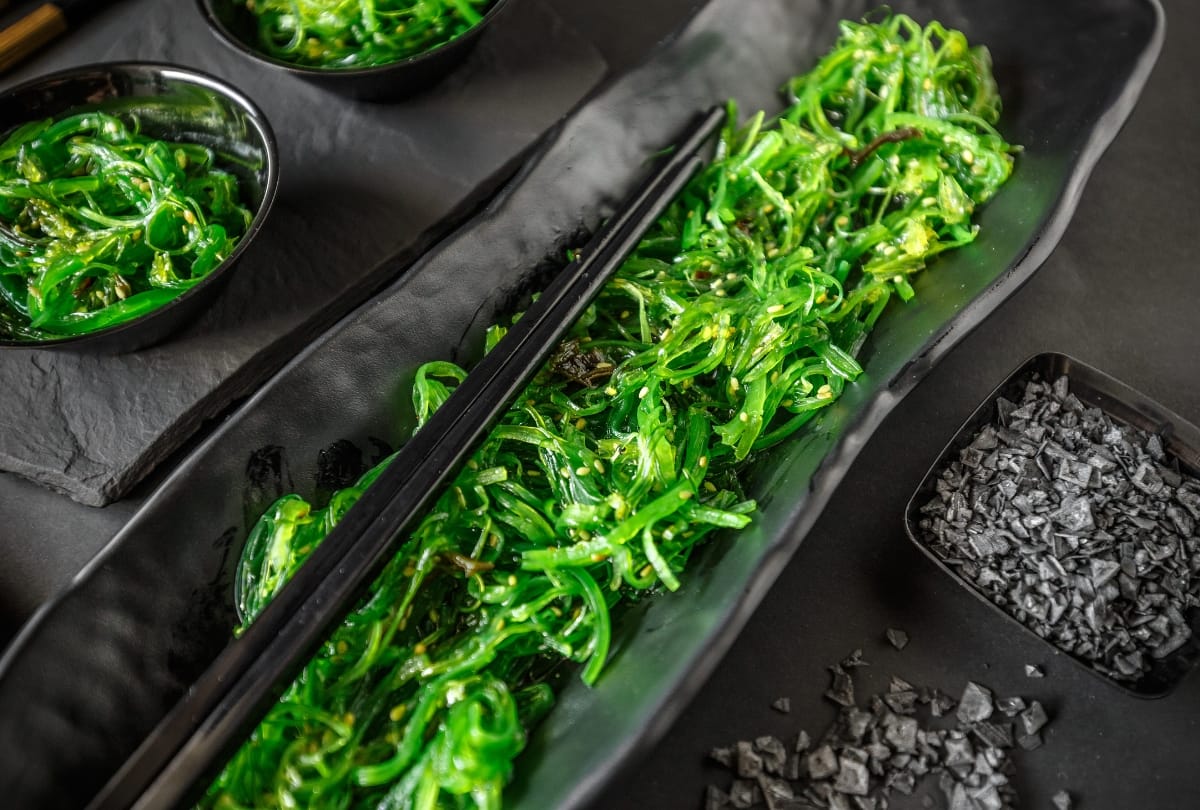
Have you ever tasted that mysterious, savory element in a dish that makes your taste buds tingle? That's umami. It's one of the five basic tastes, along with sweet, sour, salty, and bitter. And seaweed just happens to be a rich source of this delicious flavor. But why do we enjoy the umami of seaweed so much? Let's delve into the fascinating world of flavors together and discover why seaweed is such a beloved addition to our dishes.
What is umami anyway?
If you're a foodie or someone who enjoys experimenting in the kitchen, you've probably heard of umami. But what exactly is it? Umami is Japanese for "delicious taste," and it's that savory, rich flavor often found in broths, soy sauce, and, of course, seaweed. Umami is caused by the presence of glutamates and ribonucleotides, substances naturally occurring in many foods. Think tomatoes, mushrooms, and yes, you guessed it, seaweed.
The ocean on your plate
Seaweed might not be the first ingredient you think of when you're making your grocery list, but it's becoming increasingly popular. And that's no surprise. Adding seaweed to a dish brings the flavors of the sea to your plate. It adds a complexity that other ingredients don't offer. Because it's naturally high in glutamates, it provides that umami flavor bomb you crave.
The psychology of taste
Why do we automatically gravitate toward the taste of umami? It's in our genes. Our taste preferences have evolved over thousands of years to help us survive. Foods with umami cues are thought to be a source of protein, essential for our bodies. They stimulate your brain in a way that creates a feeling of satisfaction and fullness. So if you're craving something savory, listen to your body!
Seaweed: versatile and nutritious
Besides being rich in umami, seaweed is also a nutritional powerhouse. It's packed with essential vitamins and minerals like iodine, calcium, and vitamins A and C. It's also an excellent source of plant-based protein, making it perfect for vegetarians and vegans. Seaweed not only helps flavor your dishes but also contributes to a healthy diet. And that's not all: seaweed varieties like nori or kombu are easy to use in a variety of recipes.
How do you use seaweed in the kitchen?
Using seaweed in the kitchen can be as simple or as adventurous as you like. Add it to your soups and broths for added depth. Use nori sheets to roll your sushi or lightly toast them for a crunchy snack. Kombu can easily be used in your vegetable or meat broths to subtly bring out that umami flavor. And let's not forget wakame, a perfect addition to salads for both flavor and texture.
Experiment and discover
If you've never tried seaweed, it's time to experiment. It not only enriches your flavor palette with umami but also offers endless possibilities in the kitchen. From traditional sushi to innovative fusion dishes, seaweed is a versatile ingredient that allows you to be creative. It could be the key to creating a dish your guests will remember for a long time.
Seaweed, a tasty product
The umami of seaweed is more than just a flavor; it's an experience. It immerses your dishes in a savory sensation that keeps your taste buds tickling. And when you consider how many nutrients you get with every bite, it's no wonder seaweed is beloved by chefs and gourmets worldwide. So, what are you waiting for? Add that seaweed to your shopping list and discover for yourself why this umami is so irresistible!

Samen koken we slimmer
Ontvang 5% korting op je eerste bestelling



Leave a comment
This site is protected by hCaptcha and the hCaptcha Privacy Policy and Terms of Service apply.