
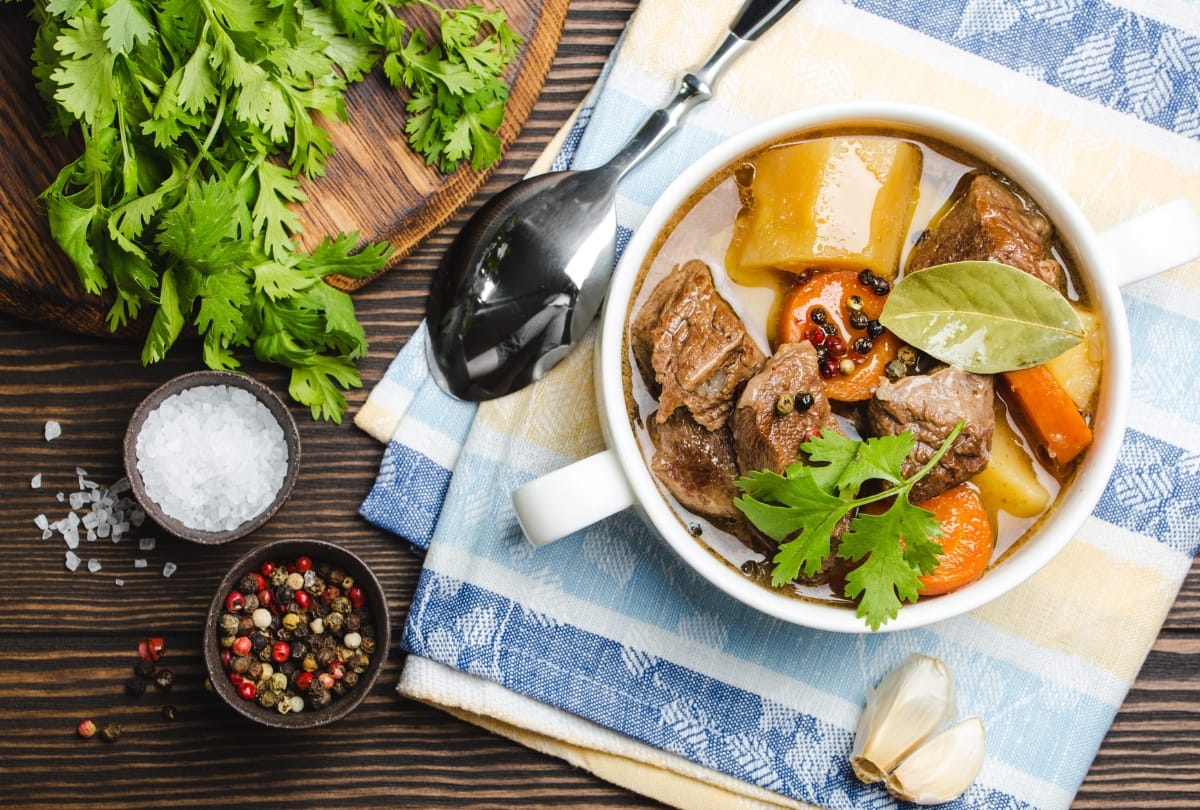
A stew sounds like comfort food in its purest form. The aroma slowly fills the kitchen as the meat simmers tenderly and the vegetables release their flavors. You've carefully chosen each ingredient, set the perfect temperature, and are looking forward to the end result. But then... one bite, and your mouth starts to burn. That familiar explosion of flavors is overshadowed by an overdose of pepper. There you are, with your peppery stew. What now?
Pepper under control: a beginner's mistake
You're not alone. Everyone who cooks has experienced this. You want peppery, but you get too much. Will your dish ever reach its full potential without burning? The answer is simple: yes. And luckily, there are several ways to overcome that flavor resistance.
To dilute is to win
One of the easiest ways to reduce the heat is to dilute your dish. Add extra stock , water, or unsalted tomato sauce . This mellows the flavor by distributing the high pepper concentration throughout a larger volume. Be careful not to completely lose sight of the original flavors; balance is crucial.
Crème fraîche, cream or coconut: creamy additions
Cream is a champion when it comes to counteracting heat. The fat molecules in cream products help neutralize the spicy compounds. Add a splash of cream, crème fraîche, or even coconut milk or cream. The creamy effect will soften the flavor while adding depth to your stew. Be sure to add it at the right time to prevent curdling.
Sweet as a counterbalance
Sugar and honey can also work wonders. The sweetness provides a nice contrast to the pepper's heat. Start with a small amount and taste it as you go. A can of carrots or diced sweet potato can also add a natural sweetness that's helpful.
Add potatoes
Potatoes are perfect sponges for absorbing excess flavors. Peel one or two potatoes, cut them into chunks, and add them to your stew. Let them cook for a while; they'll not only absorb the pepper but also add richness to your dish. Don't forget to remove the potatoes before serving, unless you want to keep them as an ingredient.
The power of sour ingredients
Acid can help temper the heat of pepper. Think of a dash of vinegar or a little lemon juice. Be sure to use these additions in small doses. It's easier to add more later than to remove excess acid.
[product=citrus-press]
This sturdy citrus press effortlessly extracts every last drop of juice from your citrus fruits, while the large handle provides excellent leverage and minimal effort.
[/product]
From salty to sweet
Salt plays a role in flavorful dishes, but also in balancing heat. And if the pepper is so intense that it almost overpowers the dish, try adding more salt. This can help restore the balance. Be careful, though; you don't want your stew to become salty.
Additions such as vegetables or bread
If your dish allows for additional additions, consider adding more vegetables. They not only add texture and color but can also soften any overly spicy dishes. A slice of bread can be a good side dish, soothing the taste of overly spicy dishes.
Taste, taste, taste!
The final and perhaps most valuable tip is to taste. Taste regularly during the cooking process so you can constantly evaluate the balance. Flavors change as they cook, and refinement during preparation makes all the difference.
You now have a palette of strategies to transform an overly peppery stew into your own. There's no reason to let that beautiful dish go to waste. Feel the pride of a good chef when you succeed in restoring balance and savor every bite of your perfectly seasoned dish. Because ultimately, cooking, like everything else in life, is a quest for balance.


Leave a comment
This site is protected by hCaptcha and the hCaptcha Privacy Policy and Terms of Service apply.