
Imagine this. You've invited friends over for a cozy dinner. The menu features delicious Asian dishes, and you want to impress with the perfect rice. But which rice should you choose? In the supermarket aisle, you're faced with a dilemma: sushi rice or basmati rice? Both have their own unique properties and flavors. Which is best for which dish, and why? Let's take a closer look at these rice varieties.
What is sushi rice?
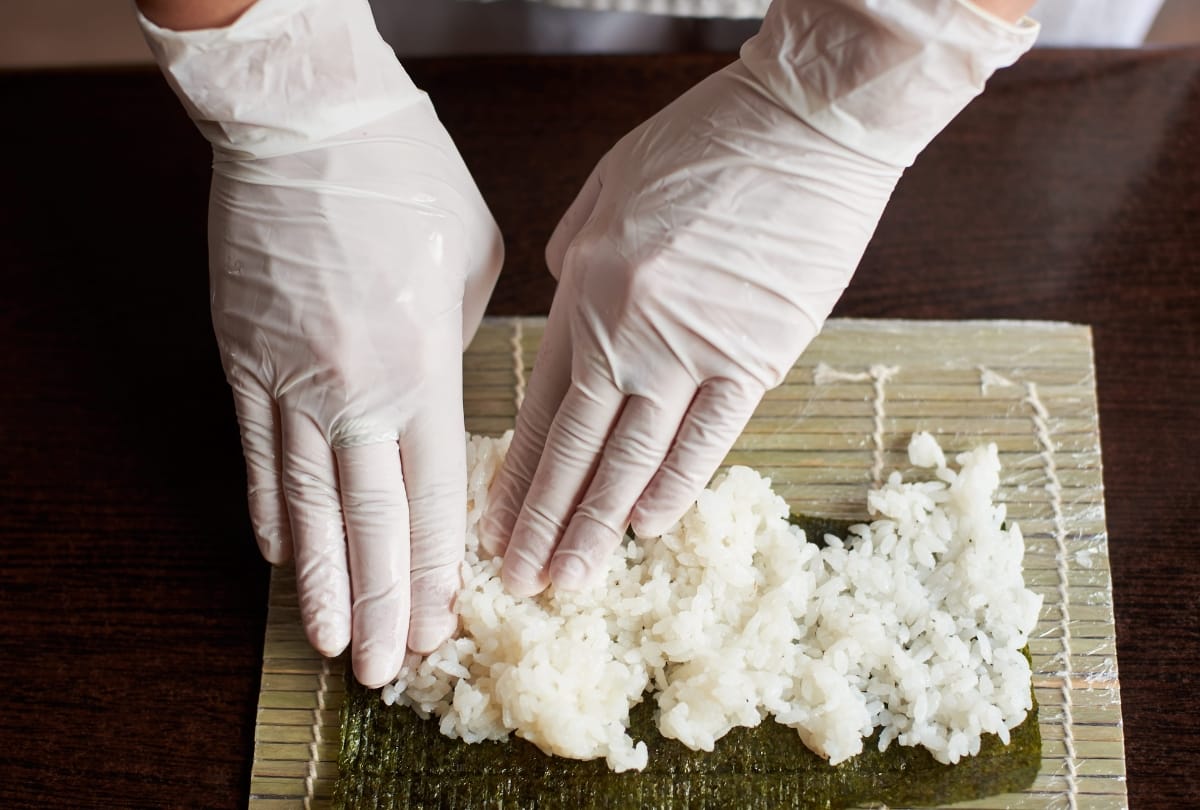
Sushi rice is often associated with Japanese cuisine. This type of rice is short, round, and sticky when cooked. While this may sound negative, it's precisely this stickiness that makes sushi rice the perfect base for sushi and other dishes where the rice needs to be cohesive.
After cooking, sushi rice is usually mixed with a mixture of rice vinegar, sugar, and salt. This creates a subtle sweet-and-sour flavor that gives sushi its signature touch. Sushi rice provides a solid base that allows the flavor and texture of other ingredients to shine through.
You might be wondering if this type of rice is just for sushi. Absolutely not! Sushi rice is also perfect for poke bowls, rice balls, or even as a side dish with various other Asian dishes. If you're looking for rice that sticks well and holds its shape, sushi rice is your best friend.
What is basmati rice?
Basmati rice comes from a completely different corner of the world. This long-grain rice has its roots in the vast plains of India and Pakistan. What makes basmati unique is its nutty flavor and floral aroma. If you're looking for rice with character and a light texture, basmati is exactly what your dish needs.
Basmati rice perfectly absorbs the flavors of herbs and spices. That's why it's a favorite in the kitchen for dishes like biryani or pilaf. Its light, loose texture makes basmati rice an excellent side dish for flavorful curries and stews. Because this rice isn't sticky, it's also suitable for various cold dishes and salads.
Texture and stickiness
The choice between sushi rice and basmati rice depends on the dish and the desired texture. Sushi rice is highly adhesive because its grains are high in starch. This makes it ideal when you need a solid base for dishes like sushi or when making rice balls.
On the other hand, basmati rice has a light and airy texture that doesn't stick together. This makes it suitable for dishes where the rice is presented as a standalone element, distinct yet refined in flavor.
Flavor profile
Flavor is important, especially in the kitchen where you're getting creative. Sushi rice has a mild flavor, meaning it complements other ingredients well without overpowering them. The added rice vinegar , sugar, and salt give sushi rice its signature flavor, which is delicate yet distinct.
Basmati rice, on the other hand, offers a more pronounced flavor profile. Its nutty and floral aroma makes it a star in dishes where spices take center stage. Think of the fragrant blend of cumin, cardamom, and saffron often used with basmati.
Health and nutritional value
No blog post about rice would be complete without looking at its nutritional value. Both types of rice are a source of carbohydrates and energy, and are low in fat. However, if you're looking for fiber-rich options, brown rice better meets those needs. Nevertheless, both sushi and basmati rice are a good addition to a balanced diet.
Your choice in the kitchen
So the question isn't which rice is better, but which rice suits your dish? If you want to make a dish where the rice needs to bind and add texture, sushi rice is your go-to. If you want the loose grains and aroma to steal the show, choose basmati.
Knowing the difference between sushi rice and basmati rice will make every dish you make a success. Both varieties bring something unique to your plate, and the right choice can make the difference between a good dish and a great one. Let the rice inspire your creativity in the kitchen!

Samen koken we slimmer
Ontvang 5% korting op je eerste bestelling



Leave a comment
This site is protected by hCaptcha and the hCaptcha Privacy Policy and Terms of Service apply.