
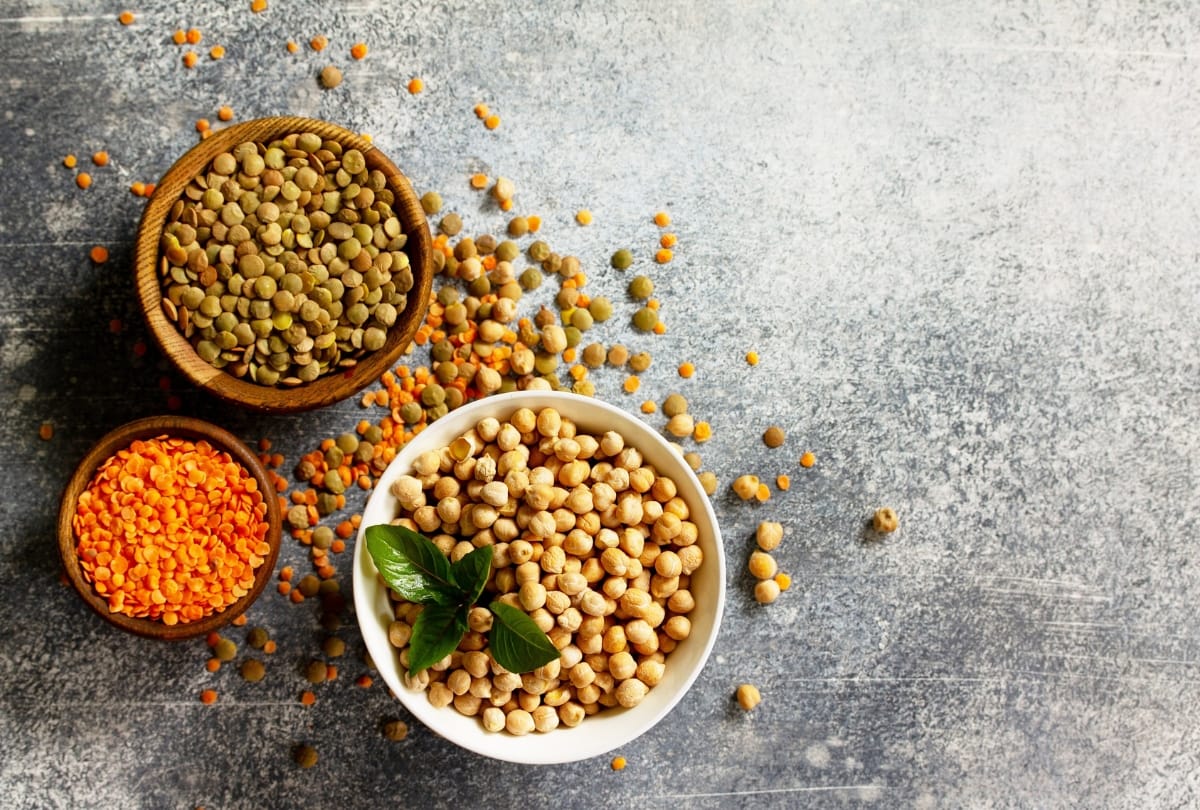
As a foodie, you've probably wondered: what's the difference between chickpeas and lentils? Both are beloved in the culinary world and known for their versatility and nutritional value. But which should you choose for your next culinary experiment? Let's delve into the world of chickpeas and lentils and discover what makes them unique.
What are chickpeas?
Chickpeas, also known as garbanzo beans, are a popular legume that has been cultivated for thousands of years. These small, round, and beige legumes are an important food source in many cuisines worldwide, from Mediterranean to Indian. They're the star of dishes like hummus and falafel , but you can do so much more with them; their nutty and buttery flavor complements a wide variety of dishes.
Why choose chickpeas? Chickpeas are rich in protein and fiber, which helps you feel fuller longer. They're perfect for vegetarians and vegans looking for plant-based protein sources. Because they're rich in nutrients, they're also a good source of iron, phosphorus, and zinc.
And what are lentils?
Lentils are small, lens-shaped legumes and come in a variety of colors, including green, brown, red, and yellow. Each variety has its own distinct flavor and texture, from mild and nutty to soft and creamy. Lentils are particularly popular in soups, stews, and curries and are widely used in Indian and Middle Eastern cuisines.
Lentils are a great choice if you want to prepare a nutritious and quick meal. They cook faster than most other legumes. Like chickpeas, lentils are an excellent source of fiber and protein. They also contain essential vitamins and minerals such as folate, manganese, and potassium.
Key Differences Between Chickpeas and Lentils
Now that we know what chickpeas and lentils are, let's look at what distinguishes them. The main differences are in texture, flavor, and preparation time.
Chickpeas have a firm, grainy texture that holds up well in salads and stews. Lentils, on the other hand, have a softer texture and break down more easily, making them perfect for soups and purées.
In terms of taste, chickpeas have a mild, nutty and buttery flavour, while lentils offer a diverse range of flavours depending on the variety, from earthy and spicy to sweet and soft.
Furthermore, chickpeas often require a longer cooking time than lentils. If you have less time to prepare your meal, lentils might be the better choice.
Health Benefits of Chickpeas and Lentils
Both legumes offer impressive health benefits. They both help improve digestion due to their high fiber content, which makes them beneficial for gut health. They can also help keep your blood sugar levels stable as part of a balanced diet.
Chickpeas are particularly beneficial for people looking to lower their cholesterol levels. Regularly incorporating chickpeas into your diet can improve your heart health.
Lentils are often praised for their high iron content, which is essential for red blood cell production and oxygen transport in the body. This makes them a good choice if you're looking to add more energy to your diet.
How do you cook with chickpeas and lentils?
Cooking with chickpeas and lentils doesn't have to be complicated. You can add endless variations to your dishes.
Chickpeas can be boiled, roasted, or ground into flour. Chickpea flour is a great gluten-free option for baking. How about a creamy hummus or a crunchy snack with roasted chickpeas?
Lentils are incredibly easy to prepare. You can add them to soups and stews or use them in salads for extra protein. Try a deliciously fragrant lentil soup or a flavorful Indian dal for a warming meal.
Which one will you choose for your kitchen adventures?
Whether you choose chickpeas or lentils, both offer flavors and nutrients that will elevate your cooking. Think about what you want to achieve with your dishes. Looking for a hearty texture and rich flavor? Chickpeas could be the perfect choice. Or are you looking for something quick and easy with a wide variety of flavors? Lentils are waiting for you.

Samen koken we slimmer
Ontvang 5% korting op je eerste bestelling


Leave a comment
This site is protected by hCaptcha and the hCaptcha Privacy Policy and Terms of Service apply.