
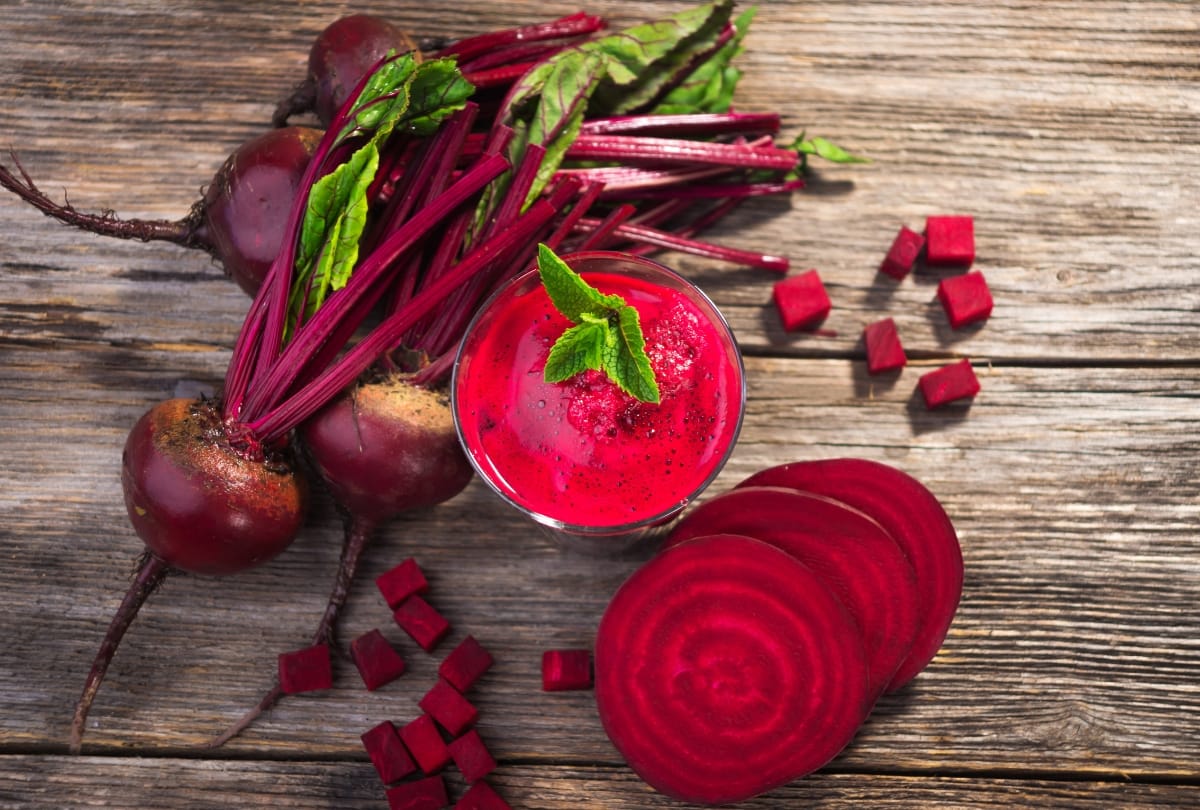
Beets are delicious and nutritious vegetables that can be used in a wide variety of dishes. But how long should beets be cooked to achieve the perfect texture and flavor? We'll explain it in detail in this blog post! You'll also read all about the nutritional value of beets, how to prepare them before cooking, the cooking process, and answers to some frequently asked questions about cooking beets.
What are beets and their nutritional value?
Before we get into cooking beets, it's helpful to understand exactly what beets are and why they're so healthy. Beets are root vegetables with a deep red color and a sweet, earthy flavor. They're packed with nutrients, including vitamin C, fiber, and antioxidants. These nutrients contribute to healthy digestion, a stronger immune system, and better overall health.

The health benefits of beets
Besides their delicious flavor, beets also offer numerous health benefits. They're low in calories and high in fiber, making them a great choice for those looking to lose weight or improve their digestion. Beets also contain nitrates, a compound that can help lower blood pressure and improve athletic performance. Furthermore, beets are rich in antioxidants, which can help fight inflammation and reduce the risk of certain diseases. In short, beets aren't just delicious—they're also good for your health!
Interesting properties of beets
Besides their culinary uses, beets also have some interesting properties. Did you know, for example, that beets naturally contain sugar? This makes them a great natural sweetener for dishes and drinks. Beets are also often used as a food coloring because of their vibrant red color.
What about cooking beets?
To maximize the nutritional value of beets, it's important to prepare them properly. Cooking beets can preserve nutrients and enhance their flavor. You can boil, roast, or steam beets. Experiment with different cooking methods to discover the flavor and texture you prefer.
Preparing beets for cooking
Before you can cook beets, you first need to prepare them properly. Below, we discuss two important steps in preparing beets: cleaning and chopping.
Cleaning beets
To clean beets, start by removing the green tops. The green tops can be saved and used in salads or steamed as a side dish. Then, rinse the beets under cold water to remove any dirt. Be sure to thoroughly clean all sides of the beets. If the beets are organic, you can leave the skin intact. Otherwise, you can peel the skin with a vegetable peeler .
After cleaning the beets, it's important to know that beets naturally have a deep red color. However, this color can bleed, so it's wise to wear gloves while cleaning to prevent your hands from turning red. Cleaning beets can be a bit messy, so make sure you have a cutting board and a sharp knife handy to make the process easier.
cutting board set
Perfect for any kitchen job
[/product]
Cutting beets
After cleaning, you can cut the beets to your liking. For most recipes, dicing or slicing is recommended. This ensures they cook evenly. Be careful not to slice the beets too thinly, otherwise they may fall apart during cooking.
If you want to dice the beets, you can slice them first and then dice the slices. This will create evenly diced beets that are easy to cook. If you prefer to slice the beets, you can simply slice them directly with a sharp knife. Be sure to handle them carefully and protect your fingers while slicing.

How long should beets cook?
Now that the beets are properly prepared, it's time to cook them. Below, we explain how long beets should cook for optimal flavor and texture.
The required cooking time for beets
The cooking time for beets varies depending on their size and freshness. Generally, beets can be cooked in about 30-60 minutes. Winter beets have a cooking time of 1.5 to 2 hours. Summer beets are ready faster, with a cooking time of about 25 minutes. Smaller beets generally have shorter cooking times, while larger beets take a little longer to fully cook. It's important to check the beets regularly during the cooking process to prevent them from overcooking.
Testing the doneness of beets
To check if the beets are cooked, pierce them with a fork or knife. If they pierce easily, they're done. The texture should be soft and creamy, but not too soft. If the beets are still firm, continue cooking, checking regularly, until they reach the desired doneness.
While the beets are cooking, you can enjoy the delicious aroma wafting through the kitchen. The earthy, sweet aroma of beets is distinctive and gives a taste of the flavors to come. It's important to keep an eye on the cooking time and check the beets regularly to ensure they're cooked through, so you can remove them from the water at the right time.
Once the beets are cooked, remove them from the water and let them cool before using them in your dish. You can slice, puree, or dice the beets, depending on the recipe you're following. Cooking beets is an essential step in achieving optimal flavor and texture, so take your time and enjoy the process.
Frequently Asked Questions about Cooking Beets
Can beets be eaten raw?
Yes, beets can be eaten raw. They have a crunchy texture and a slightly sweet flavor when raw. Raw beets can be sliced and added to salads or grated for a fresh and colorful addition to dishes. However, keep in mind that raw beets are slightly harder to digest than cooked beets, so eat them in moderation if you have a sensitive digestive system.
How do you store cooked beets?
Cooked beets can be stored in the refrigerator in an airtight container. They usually stay fresh for 3-5 days. You can also freeze them to extend their shelf life. Make sure you let the beets cool completely before placing them in the refrigerator or freezer.
With this information on how long to cook beets and how to prepare them, you're ready to create delicious beet recipes. Try different cooking methods and experiment with flavor combinations to discover your own favorite beet recipes!

Samen koken we slimmer
Ontvang 5% korting op je eerste bestelling


Leave a comment
This site is protected by hCaptcha and the hCaptcha Privacy Policy and Terms of Service apply.