

Lasagna is a delicious and popular dish that many people enjoy. But what if you have a gluten intolerance and can't simply eat traditional lasagna? No worries! You can easily use gluten-free lasagna noodles to enjoy this tasty Italian dish. In this blog post, we'll discuss everything you need to know about gluten-free lasagna noodles, from what they are to how to make and serve them.
What are gluten-free lasagna sheets?
Gluten-free lasagna noodles are an alternative option for people who are gluten intolerant. Gluten is a protein found in wheat, barley, and rye. These proteins can cause problems for people with celiac disease or gluten intolerance. Gluten-free lasagna noodles are made with wheat substitutes, such as rice flour, cornmeal, or quinoa flour. They have the same texture as traditional lasagna noodles, but are gluten-free.
Did you know that gluten-free lasagna sheets are becoming increasingly popular? More and more people are discovering they're gluten intolerant and are looking for alternatives for their favorite dishes. Fortunately, there are many gluten-free options available these days, including gluten-free lasagna sheets.

Alternative types of flour
Rice flour is a common ingredient in gluten-free lasagna noodles. It has a neutral flavor and creates a light and airy texture. Cornmeal, on the other hand, adds a subtle sweetness to the noodles, adding an interesting flavor dimension. Quinoa flour, made from the superfood quinoa, is a nutritious alternative that also adds a nutty flavor. Besides using alternative flours, gluten-free lasagna noodles are often fortified with binders like xanthan gum or guar gum. These binders help hold the noodles together and give them the right consistency. They prevent the lasagna from falling apart during cooking and serving.
Where can I buy gluten-free lasagna sheets?
Gluten-free lasagna noodles are available in most supermarkets and specialty stores. You can use them in any recipe that calls for traditional lasagna noodles. Whether you're making a classic lasagna bolognese or a vegetarian version, gluten-free lasagna noodles are a tasty and safe alternative for those with gluten intolerance.

Please note, not suitable for wheat allergies
It's important to note that while gluten-free lasagna sheets are a great option for people with celiac disease or gluten intolerance, they may not be suitable for those with a wheat allergy. A wheat allergy is a different condition caused by a reaction to specific proteins in wheat, while celiac disease and gluten intolerance are reactions to gluten.
Different types of gluten-free lasagna sheets
There are several types of gluten-free lasagna noodles on the market. Some brands make lasagna noodles with rice flour, while others use cornmeal or quinoa flour. Each type has its own unique flavor and texture. It's recommended to try different brands and varieties to find the one you like best.
Besides rice flour, cornmeal, and quinoa flour, there are other alternatives for gluten-free lasagna noodles. For example, lasagna noodles are made from buckwheat flour, chickpea flour, and even vegetables like zucchini or eggplant. These alternatives not only offer a gluten-free alternative but also add extra flavor and nutritional value to your lasagna.
Airy texture
If you're looking for a light and delicate texture, lasagna sheets made with rice flour are a good choice. Rice flour has a naturally neutral flavor, making it a good match for various sauces and fillings. Furthermore, rice flour absorbs the flavors of other ingredients, creating a harmonious taste experience.
Firm texture
Cornmeal, on the other hand, has a slightly firmer texture and a slightly sweet flavor. This can be an interesting addition to your lasagna dish, especially if you enjoy a subtle sweetness. Cornmeal is also naturally light yellow in color, which gives your lasagna a beautiful appearance.
Nutty flavor
Quinoa flour is another popular alternative for gluten-free lasagna noodles. Quinoa is a nutritious grain rich in protein and fiber. Lasagna noodles made with quinoa flour have a slightly nutty flavor and a firm texture. They're perfect for those looking for a healthy and nutritious lasagna option.
It's important to note that the cooking time and preparation method for gluten-free lasagna noodles can often differ slightly from those of traditional wheat lasagna noodles. Therefore, always read the instructions on the packaging to ensure you prepare the lasagna noodles correctly.
All in all, there are plenty of options when it comes to gluten-free lasagna sheets. Whether you choose rice flour, cornmeal, quinoa flour, or another alternative, the most important thing is that you enjoy a delicious and flavorful gluten-free lasagna!
Benefits of Gluten-Free Lasagna Sheets
Using gluten-free lasagna noodles has several advantages. First, it makes your lasagna dish accessible to people with gluten intolerance. This allows you to let your family and friends who can't tolerate gluten also enjoy this classic dish. Furthermore, gluten-free lasagna noodles allow you to vary the flavors and discover new ones. You can experiment with different ingredients and sauces to make your lasagna dish unique and delicious.
Extra nutrients
Moreover, gluten-free lasagna sheets are often enriched with additional nutrients to compensate for the lack of gluten. For example, they may be enriched with vitamins and minerals, such as vitamin B and iron. This makes them suitable not only for people with gluten intolerance but also for those who are conscious about their diet and looking for healthier options.
All in all, gluten-free lasagna noodles offer a range of benefits. They make your dish accessible to people with gluten intolerance, they offer opportunities for variety and new flavors, they're made with alternative flours, enriched with extra nutrients, readily available, and have a similar taste and texture to traditional wheat lasagna noodles. So what are you waiting for? Try gluten-free lasagna noodles today and discover the many possibilities they offer!
How do you make gluten-free lasagna sheets?
If you want to make gluten-free lasagna noodles yourself, you'll need a gluten-free flour of your choice, such as rice flour or cornmeal. You can also buy pre-made gluten-free lasagna noodles if you prefer not to bake them yourself. If you choose to bake them yourself, follow the recipe on the flour package and add herbs or spices to give the noodles extra flavor, if desired.
Roll out the dough into a thin sheet and cut it into rectangular shapes that fit in your baking dish. Let the sheets rest for a while before cooking or using them in your lasagna. This will help them firm up and hold their shape better during cooking.

How to make gluten-free lasagna sheets in 10 steps
- Buy ready-made gluten-free lasagna sheets or make them yourself with gluten-free flour of your choice.
- Preheat the oven according to the instructions on the packaging of the lasagna sheets.
- Cook the gluten-free lasagna sheets according to the package instructions. Be careful not to overcook them, as they may fall apart.
- While the sheets are cooking, prepare the filling for your lasagna dish.
- Grease an oven dish with oil or butter.
- Start with a layer of sauce in the baking dish and cover it with a layer of cooked lasagna sheets.
- Repeat this process until all your leaves and filling are used. Finish with a layer of sauce on top.
- Cover the baking dish with aluminum foil and bake the lasagna according to the instructions on the packaging of the lasagna sheets.
- Remove the foil and bake the lasagna for a few more minutes until the top is golden brown and crispy.
- Let the lasagna rest for a few minutes before serving.
The different ways to serve gluten-free lasagna sheets
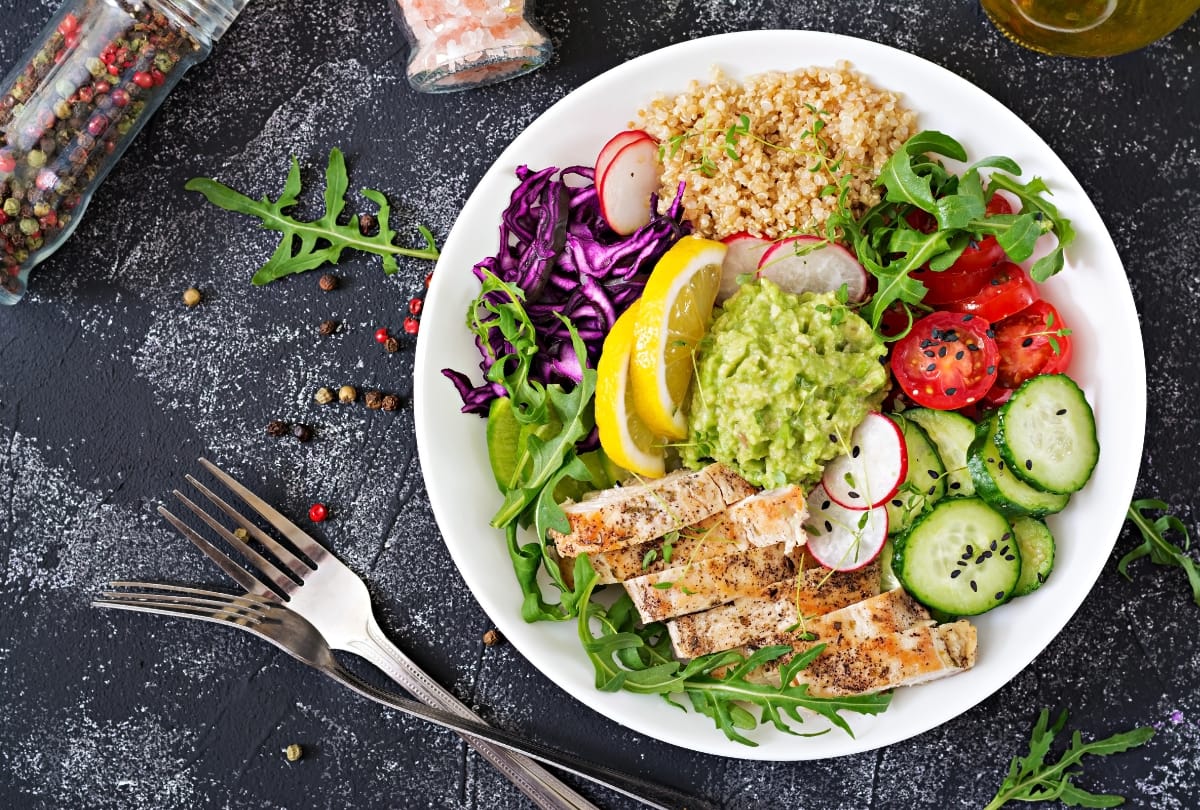
Gluten-free lasagna sheets can be served in a variety of ways. You can serve them as a main course, with a fresh salad on the side. You can also serve them as part of a buffet or at a party. You can also experiment with different fillings and sauces to make your lasagna dish unique and flavorful.

What ingredients do you avoid when making gluten-free lasagna sheets?
When making gluten-free lasagna sheets, it's important to know which ingredients you can't use. Wheat flour, barley flour, and rye are, of course, excluded due to their gluten content. Also, make sure all your ingredients, such as sauces, meat, vegetables, and cheese, are gluten-free. Check labels carefully to ensure no gluten is present.
Try using gluten-free lasagna sheets in your next lasagna recipe and discover for yourself how delicious and versatile they can be. Treat yourself and your loved ones to a delicious gluten-free meal!

Leave a comment
This site is protected by hCaptcha and the hCaptcha Privacy Policy and Terms of Service apply.