
Making your own ground meat might sound like something for chefs, but anyone can do it. And the best part is: the result is almost always better than what you find in the supermarket. Why? Because you decide which cut of meat you use, how much fat it contains, and what is (or isn't) added.
Supermarket ground meat is often ground finer, sometimes contains water, antioxidants, or other additives, and isn't always made from the finest cuts. You can taste it. Homemade ground meat has more texture, more flavor, and you know exactly what's in it.
And the best part? It's not difficult at all. With a meat grinder (manual or electric, like the one from Souvy), you can have fresh ground meat in just a few minutes that's juicier, purer-tasting, and perfect for any meal. More flavor, more control, fewer additives. Just the way you like it.
What types of meat can you use for minced meat?
You can use almost any type of meat for ground meat. Beef, pork, chicken, lamb, game—all are suitable, each with its own unique flavor and texture. That's what makes making your own ground meat so enjoyable: you're not limited to just one type; you choose exactly what you like.
- Beef gives a strong flavor and is perfect for burgers , meatballs and bolognese .
- Pork is tenderer and juicier, ideal for sausages, dumplings or Asian dishes.
- Ground chicken is light and versatile, but needs some extra seasoning.
- Lamb has a distinctive flavor and works great in Middle Eastern dishes.
- Game such as venison or wild boar provides deep, rich flavor; ideal for luxury dishes.
Body Fat Percentage: Why It's Important
Fat provides flavor and juiciness. Meat that is too lean quickly becomes dry and grainy. A good guideline:
- 20–30% fat for burgers and meatballs
- 15–20% fat for sauces
- 10–15% fat for light dishes such as minced chicken
Fat isn't the enemy, it's the flavor carrier. Especially with ground meat.
Combinations for extra flavour
The best part about grinding it yourself? You can mix it.
- Beef + pork → juicy mix for sausages and meatballs
- Lamb + beef → depth and spice for Middle Eastern dishes
- Chicken + pork → lean and juicy at the same time
- Wild + pork → luxurious taste without being too dry
You can even experiment with different cuts from the same animal. Shoulder, rib, belly: each piece offers a different texture and flavor. This way, you can create exactly the ground meat you want, and you'll taste it in every dish.
Mincing with the meat grinder
A meat grinder is essentially a simple yet ingenious machine. You feed it cubes of cold meat, turn it on, or switch it on, and the meat is pushed forward via a worm gear. A sharp blade then cuts the meat through a grinding disc—with small or larger holes, depending on how coarsely you like your mince. This way, you get perfectly ground meat, effortlessly and without the mess.
How a meat grinder works
Inside, a screw rotates, slowly pushing the meat forward. Before the blade cuts, the measuring disc determines how finely the final result will be.
- Small perforation (±4 mm) → finely chopped
- Larger perforation (±7 mm) → coarser mince, ideal for burgers
The secret to beautiful mince is working with cold meat and a sharp cutting tool. This way you get texture, not mushy.
Manual meat grinder vs. electric meat grinder
Manual meat grinder:
- You turn the crank yourself.
- Ideal for small quantities.
- Quiet, compact and easy to carry.
- A little more work, but a lot of control.
Electric meat grinder:
- Does the work for you.
- Perfect for large portions or regular use.
- Fast, powerful and consistent.
- A bit heavier and takes up more space.
Pros and cons
| Type |
Advantages |
Disadvantages |
| Manually |
Quiet, affordable, lots of control |
More muscle power, less suitable for large quantities |
| Electric |
Fast, ideal for bulk, consistent grind |
Makes noise, takes up more space, sometimes more expensive |
The Souvy meat grinder
The Souvy Meat Grinder combines power and ease of use, ideal for anyone who wants to get serious about fresh ground meat. Here's what you can expect:
- Aluminum housing
- Cast iron feed tray with meat holder and dust cover
- Plastic pusher for safe feeding
- Aluminum worm screw + stainless steel blade
- 2 grinding discs (ø65.8 mm): 4 mm and 7 mm
- 3 sausage filling funnels (ø12, 15 and 20 mm)
- On/off/reverse switch
- Not for continuous use (to prevent overheating)
Whether you're making ground meat, making sausages, or trying different textures, this grinder can do it all. It's powerful enough for tough cuts of meat, yet compact enough for home use.
Step-by-step: making your own minced meat
Making your own ground meat isn't complicated at all. With the right preparation and a few clever steps, you'll get ground meat that's juicy, flavorful, and has exactly the texture you want.
1. Choosing meat
Start with good meat. Choose the type that suits your dish: beef, pork, chicken, lamb, or a mix. Pay attention to the fat percentage: 20–30% fat produces the juiciest result. Meat that is too lean will dry out faster.
2. Cold work (important!)
Cold meat is the key to delicious mince. Refrigerate the meat for 20–30 minutes or even briefly freeze it. Cold meat:
- Grinds nicer
- Stays firm
- Loses less moisture
- Does not give a 'mushy' texture
You can also put your grinding disc and blade in the refrigerator for an even better result.
3. Pre-cutting
Cut the meat into cubes of about 2–3 cm. This prevents jamming and ensures that the grinder's auger feeds everything evenly. Too large pieces require extra force and result in a less smooth grind.
4. Grind in the correct position
Choose the grinding disc that suits your dish:
- 4 mm → finely minced for meatballs, sauces and dumplings
- 7 mm → coarser mince for burgers or chili
Gently feed the meat with the pestle (don't push like a bodybuilder). The grinder does the work.
5. Grind twice if necessary
Want extra fine mince? You can run the meat through the grinder a second time. Note: this is especially useful for sausages, dumplings, or very fine textures. For burgers or meatballs, a single pass is usually perfect, as it keeps the texture nice and juicy.
And done! Freshly ground meat, just the way you like it. With more flavor, better texture, and no unnecessary additives.
Herbs and seasonings for homemade minced meat
One of the biggest advantages of making your own ground meat is that you can season it to your liking. No standard supermarket mix, but exactly what you like. Here are a few options that always work well.
Basic herb mix
You can use a simple, pure base for almost any dish:
- Salty
- Pepper
- Garlic powder
- Paprika powder
This mix adds flavor without being overpowering. Perfect for meatballs, burgers, or sauces.
Mediterranean mix
Want some sunnier vibes? Go for Mediterranean herbs:
- Oregano
- Thyme
- Rosemary
- Dried basil
- A little lemon zest
This combination works fantastic with ground lamb, ground chicken, and ground beef.
Oriental mix
For an Asian twist:
- Ginger (fresh or powder)
- Garlic
- Soy sauce
- Sesame oil
- Chili flakes
Delicious in dumplings, stir-fries or chicken meatballs with sticky sauce.
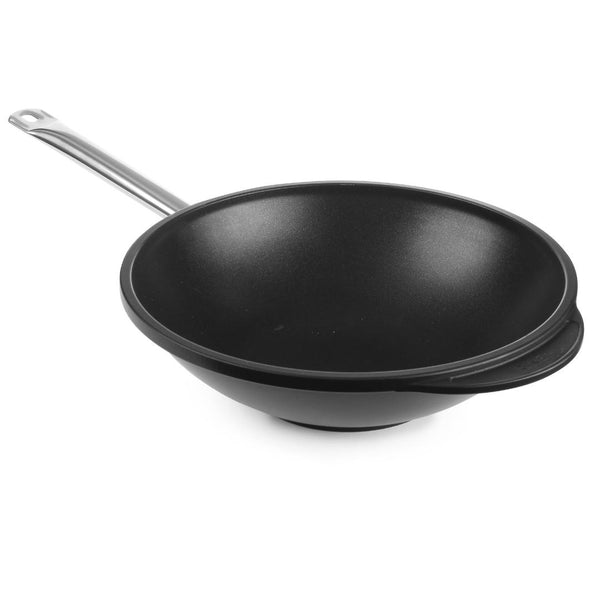
This wok not only offers excellent heat conduction thanks to the use of high-quality aluminum, but also ensures that your dishes are cooked perfectly without sticking.
Op voorraad
How much salt and why it is important
Salt is essential for both flavor and texture. It binds the ground meat lightly, preventing it from falling apart. A good guideline is 10–12 grams of salt per kilogram of ground meat.
If you use less, the texture will become a bit looser.
If you use more, it can quickly become too salty.
In short: with the right spice mix, you can turn your homemade minced meat into a flavour bomb, precisely tailored to any dish.
Common mistakes when making minced meat
Making your own minced meat isn't difficult, but there are a few pitfalls that many people fall into. Fortunately, they're easy to avoid.
The biggest mistake is working with meat that's too hot. Hot meat becomes gooey, sticky, and turns into a paste when you grind it. Not ideal. Always keep the meat nice and cold; that really makes all the difference.
Another mistake is using pieces that are too lean. Ground meat without fat is dry, hard, and lacking flavor. Fat provides juiciness, binding, and structure. A mix with 20–30% fat works best.
Even the wrong grinding disc can ruin your ground meat. A disc that's too fine will make the meat mushy, while a disc that's too coarse can result in a loose texture. Choose the disc that's right for your dish: fine for sauces and meatballs, coarser for burgers.
Finally: too much seasoning or salt. Homemade ground meat is already flavorful, so there's no need to overcompensate. Too much salt neutralizes the natural flavor, while too many spices mask the quality of the meat. Keep it simple, taste, and adjust as needed.
Avoid these mistakes and your mince will be juicy, firm and just right every time.

Samen koken we slimmer
Ontvang 5% korting op je eerste bestelling


Leave a comment
This site is protected by hCaptcha and the hCaptcha Privacy Policy and Terms of Service apply.