
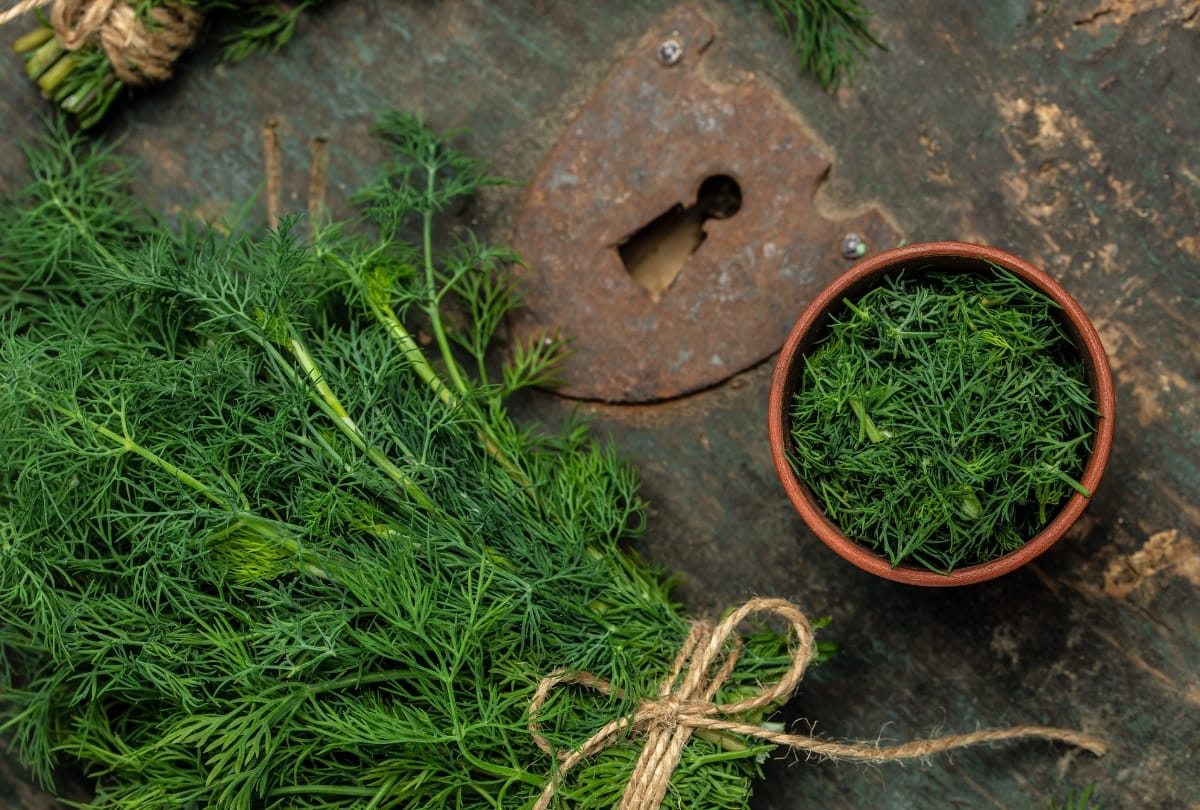
You love to experiment in the kitchen. You look for ways to refine your dishes and create unique flavors that delight your taste buds. One herb that's often overlooked is dill. Why does this fresh, aromatic green feel like such a flavorful addition to so many dishes? Let's delve into the history, science, and culinary uses of dill to understand why we find it so delicious.
The origin and versatility of dill
Dill is an herb with a rich history. Originally from Southeastern Europe and Western Asia, dill has been used in cuisines worldwide for centuries. The name "dill" comes from the Old Norse word "dylla," meaning "to soothe." This name evokes images of comfort and tranquility, and that is precisely what dill brings to our dishes.
Dill's freshness makes it a versatile herb. You can add it to salads for a subtle citrus note, use it in marinades for fish dishes , or even toss it into a creamy sauce for a refreshing finishing touch. The possibilities are endless, making dill a welcome addition to many kitchens.
Science behind the taste of dill
You might wonder why dill leaves such a refreshing impression on your taste buds. It's all thanks to the essential oils it contains. The main flavor compounds in dill are carvone and limonene. These compounds give dill its characteristic aroma and flavor, which are often perceived as pleasant and light.
These oils not only help spread the flavor, but they also have potential health-promoting properties. Dill is known for its antioxidants, which can contribute to your overall well-being. So add dill to your dishes not only for the flavor but also for those added health benefits.
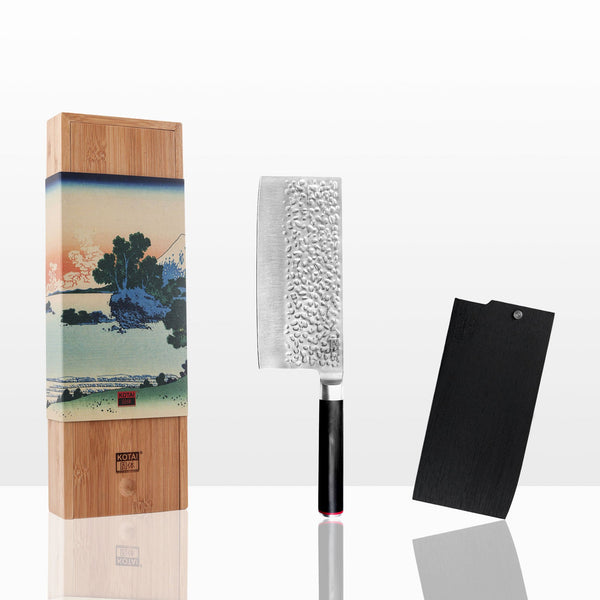
The KOTAI cleaver combines the best of both worlds. Japanese precision is combined with Western robustness, creating a truly unique cleaver.
Op voorraad
Culinary uses of dill
As a passionate chef, it's important to know how to effectively incorporate dill into your dishes. An incredibly popular use is in Scandinavian cuisine, for example, in combination with salmon . Dill provides that perfect fresh note that completes the fish. It's no wonder, then, that dill plays a key role in classics like gravlax.
Salads are also a perfect partner for dill. Whether you're going for a light cucumber salad or a rich, creamy potato salad, a handful of freshly chopped dill can work wonders. The herb adds a dimension that's both subtle and essential.
Dill also finds its way into numerous sauces and dips. A yogurt-dill sauce for roasted vegetables or as a dip for your favorite chips will give your dishes that extra something you're looking for.
The magic of combining flavors
The secret to a successful dish often lies in the balance of flavors. Dill offers a fresh, almost citrusy sensation that works well to contrast stronger flavors. Think of the creaminess of avocado, the saltiness of cheeses, or the bold flavor of fish. Dill balances these elements, enhancing the overall taste experience.
Exploring combinations can elevate your dishes. For example, try pairing dill with mint for a refreshing look, or with garlic for a powerful flavor experience. These combinations encourage you to play with contrasts and layers of flavor profiles, making your culinary creations even more memorable.
Dill as a flavour enhancer in your kitchen
Whether you're a seasoned cook or just beginning your culinary adventure, dill can be a surprisingly delightful herb to add to your repertoire. Both refreshing and versatile, dill offers countless opportunities for innovation in the kitchen. With its appealing aroma and positive influence on both body and mind, dill deserves a place of honor in your spice rack. So what are you waiting for? Incorporate dill into your next culinary creation and discover why this herb has been refreshing and surprising our taste buds for centuries.

Samen koken we slimmer
Ontvang 5% korting op je eerste bestelling


Leave a comment
This site is protected by hCaptcha and the hCaptcha Privacy Policy and Terms of Service apply.