
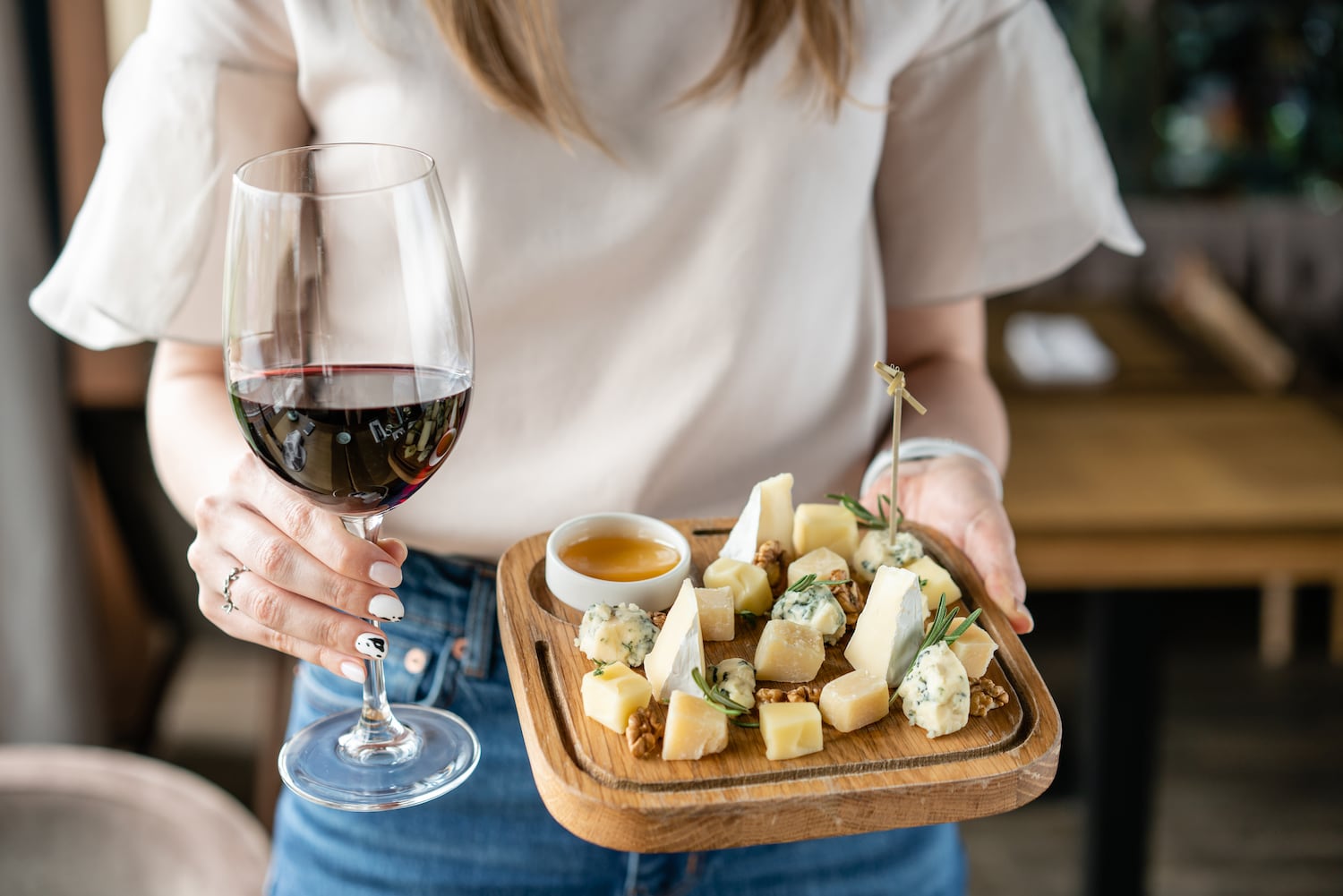
If you love good food, chances are you'll appreciate a good glass of wine. And while you can certainly enjoy a good glass of wine on its own, it's also worth pairing it with a delicious dish. A good wine-food pairing is crucial. Some wines and dishes complement each other, allowing the flavors to truly shine. A poorly chosen wine, on the other hand, can be completely unsatisfactory with a dish.
To ensure a good pairing of wine and food at dinner parties, parties, or just your everyday meal, you'll need to learn more about pairing wines and dishes. You're not obligated to do anything, as you choose the wines yourself, but there are some basic rules you can use to choose a suitable wine and food pairing.
Why should the wine match the dish?
When you're hosting a dinner party, you naturally want to create a fantastic meal. You need to ensure your guests are happy and that everything is perfect. A good wine is essential. A wine-food pairing is a perfect combination of a dish or course and its accompanying wine. The reverse is also true: a dish paired with a wine.
A well-paired wine and dish enhance the flavors of the food, but the accompanying wine will also taste even better. The dish and wine complement each other and elevate the entire meal. Therefore, there's a clear advantage to pairing food and wine well.
Basic rules for pairing wine and food
In a restaurant, the sommelier is responsible for pairing wine and food. This task requires extensive wine knowledge. If you don't (yet) have that knowledge, choosing the right wine can be challenging.
The following rules can help you choose wines to pair with dishes.
Combine sleek with sleek
Dishes with a touch of acidity or saltiness, such as those containing tomato, goat cheese, or oysters, tend to have a somewhat "tight" mouthfeel. Therefore, choose a wine with a higher acidity for these dishes. The combination of a slightly more acidic wine and the taut mouthfeel will enhance the flavor of both the wine and the dish.
Examples of wines: Pinot Noir, Sauvignon Blanc or a Riesling.
Filming at filming
When experts talk about a "coating mouthfeel," they mean creamy, round, and smooth. The opposite of smooth. Good examples of this type of dish are ragout, pasta carbonara, or salmon with a creamy sauce. In these cases, the creamy sauce determines the mouthfeel. For these types of dishes, choose a soft wine that leaves a coating in your mouth.
Wines that meet these characteristics include Pinot Gris, Merlot, Syrah, and the well-known Chardonnay .
Red meat goes well with tannins
When you pair a wine rich in tannins with red meat, the proteins in the meat counteract the rough mouthfeel caused by the tannins in the wine. This enhances the wine's flavor.
Good wines to pair with red meat are Bordeaux, Chianti or Barolo.
Choose a wine that suits your taste level
A light wine pairs well with light dishes like a salad or a dish with chicken or turkey. A Sauvignon Blanc, Pinot Noir, or Grüner Veltliner are excellent choices.
If you're serving a dish with a more intense flavor, it's best to serve a wine with a more intense flavor. Think Malbec, Zinfandel, or Rioja.
Complex wines with complex dishes
Some dishes have multiple flavor dimensions. A game dish, for example, has multiple layers of flavor. If you drink a simple wine, the flavors of the dish will completely overpower the wine.
Therefore, it's better to choose a wine with the necessary complexity. This doesn't always have to be red; there are also complex white wines. A good pairing would be a Burgundy, Bordeaux, Rhône, Mosel, or Rioja.
Provide contrast
All the tips above for pairing wine and food are essentially about finding the right balance between the wine and the dish. Sometimes, a contrast can create a truly wonderful flavor experience.
- Salty cheeses pair very well with a sweet fortified wine, such as Port.
- A sweet wine pairs beautifully with spicy food. The sweetness creates that rich, filmy mouthfeel. So, for a spicy dish, feel free to choose a slightly sweet Riesling, Spätlese, or Gewürztraminer.
- You can also find a good wine for a fatty or fried dish. A wine with a fresh flavor provides a nice contrast to the fatty taste. So, you can choose wines made from Beaujolais or a Sauvignon Blanc.
- With a rich dish like cheese fondue, a full-bodied wine can quickly become a bit much. So choose a lighter wine, like a Grüner Veltliner or a Pinot Blanc. These have a more neutral flavor, making the dish a little easier on the stomach.
Tips for pairing wine and a dish
You can always ask a good liquor store or wine merchant for advice. You can also buy excellent wines at the supermarket, but you probably don't need to go there for advice. Fortunately, you don't have to be a wine expert to choose the right wine for a dish.
Next time you're standing in front of the wine aisle, use the above wine-food pairing rules to choose a well-matched wine. Always read the wine label carefully, too. You'll discover the wine's flavor, and sometimes it even tells you which dishes it pairs well with.
If you want to learn more about wine and discover its different flavors, you'll simply have to taste them yourself. Try different wines to get a feel for the flavors of different grape varieties. This will make it much easier to choose the perfect wine for your dish.

Samen koken we slimmer
Ontvang 5% korting op je eerste bestelling

Leave a comment
This site is protected by hCaptcha and the hCaptcha Privacy Policy and Terms of Service apply.