
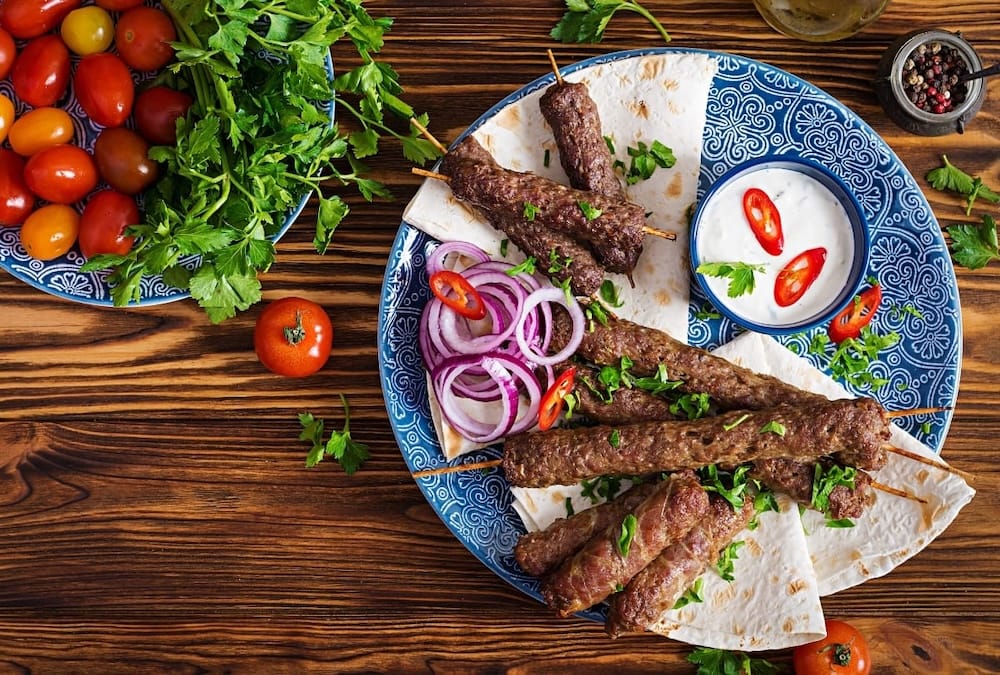
When you think of the flavors and aromas of Lebanese cuisine, you might picture a table full of colorful dishes, brimming with herbs, spices, and fresh ingredients. But why is Lebanese cuisine known for its delectable flavors? Because it offers a perfect balance of sweet, sour, and savory, making every bite an adventure.
Mezzes
Starting with mezzes, the small appetizers often served as a starter, you'll find they're packed with flavor. Think:
- Hummus : This creamy chickpea mixture is often served with a drizzle of olive oil and a sprinkle of paprika. You won't forget it once you taste it. The silky texture combined with the robust flavor of tahini leaves a lasting impression.
- Baba Ghanoush: A smoky eggplant dip that will win you over with its slightly meaty and smoky flavors, enriched with garlic and lemon.
- Tabouleh: This fresh salad, made with parsley, mint, tomato and bulgur, will instantly give you a refreshing feeling, especially on hot summer days.
Lebanese main dishes
Once you've tasted the mezzes, you're ready for the main courses. Traditional Lebanese dishes will satisfy your hunger and delight your taste buds.
- Kibbeh: Perhaps Lebanon's national dish, kibbeh consists of pureed meat and bulgur, often served as a casserole or fried meatballs. The combination of spices like cinnamon and allspice makes it a flavorful experience.
- Kafta: These juicy grilled lamb meatballs are mixed with spices, onions, and parsley. If you love meat, this dish is a treat.
- Shawarma: Did you know this popular street food originated in Lebanon? Thinly sliced meat seasoned with a mix of spices, served in a warm pita with garlic sauce and vegetables, makes every bite a delight.
Lebanese desserts
After all those savory wonders, the desserts will tantalize your taste buds in a whole new way. Lebanese sweets are known for their richness and texture.
- Baklava: Layers of thin filo pastry filled with nuts like pistachios and walnuts, soaked in a sweet sugar syrup. It's crispy, sweet, and full of flavor.
- Knafeh: A cheesecake dessert that is both sweet and savory. The top is often crispy and covered with orange-colored roasted noodles or semolina, while the inside is filled with soft, melted cheese.
The power of herbs
What truly sets Lebanese cuisine apart are the herbs and spices. Think sumac with its sour note, the warming aroma of cinnamon, or the spicy kick of allspice. Each spice plays a role in creating the complex flavor profiles typical of Lebanese dishes. If you were to choose one ingredient that unites Lebanese cuisine, it has to be za'atar . This spicy blend of thyme, sesame seeds, and sumac is often used as a topping on bread or as a seasoning in many dishes.
Try it at home
Want to bring the flavors of Lebanon to your own kitchen? Start with a few basic recipes like hummus or tabbouleh. You'll find that with the right ingredients and techniques, Lebanese cuisine is both accessible and inspiring.

Samen koken we slimmer
Ontvang 5% korting op je eerste bestelling


Leave a comment
This site is protected by hCaptcha and the hCaptcha Privacy Policy and Terms of Service apply.