
When venturing into the world of Asian cuisine, choosing the right ingredients for the flavors you're aiming for is essential. One of the most common questions you might have when preparing Asian dishes revolves around choosing the right oil. Should you use sesame oil, or is sunflower oil the better option? Let's take a closer look at these two oils so you can make the perfect choice for your dishes.
The taste and smell of sesame oil
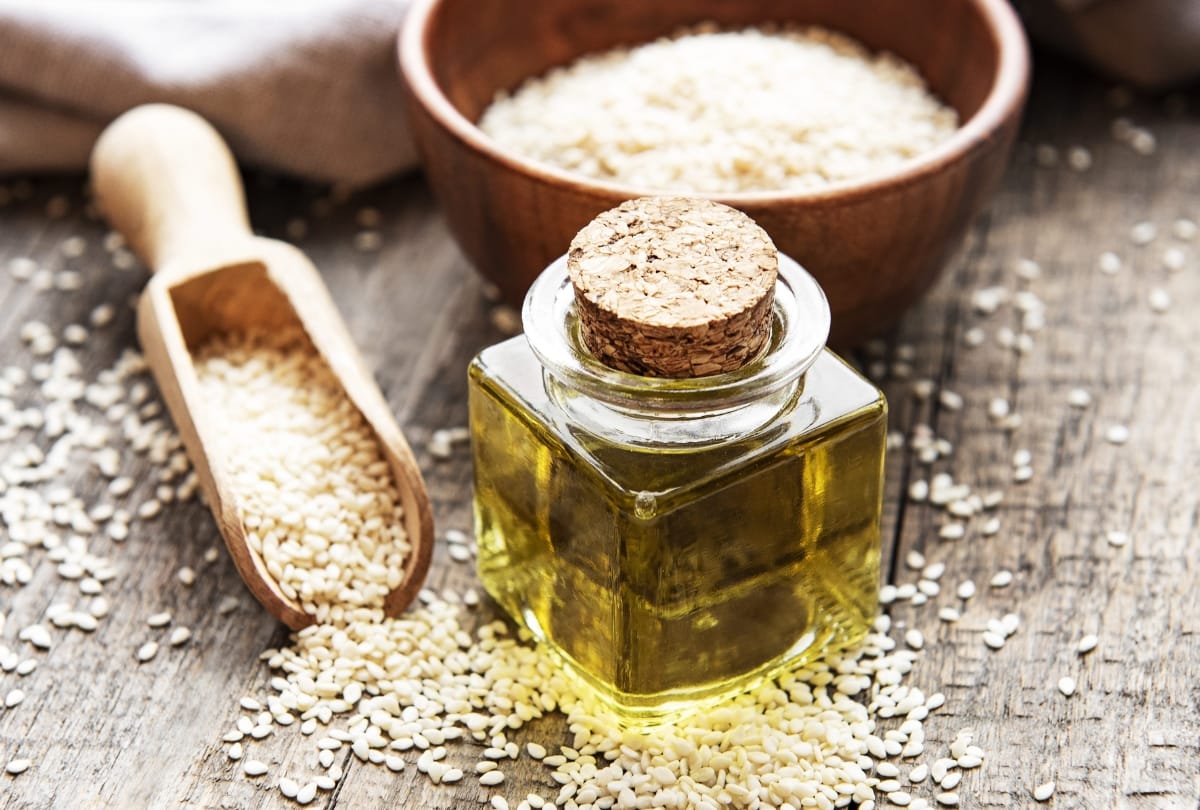
Sesame oil has a unique flavor and aroma that's hard to compare to other oils. It's often considered the "secret" flavoring in many Asian dishes. If you've ever been captivated by the nutty, toasted aroma of a dish at your favorite Asian restaurant, chances are sesame oil is the star. It's a flavorful oil that stimulates all your senses and elevates your dishes.
But it doesn't stop there. Sesame oil, especially the dark, roasted variety, is highly concentrated in flavor. Because of this, you don't need much to enrich a dish. This means you can control the intensity of the flavor and add layers to your dishes. You can use sesame oil as a finishing touch, for example, in salads, soups, or even over noodles for a subtle yet unmistakable flavor boost.
Why sunflower oil?
Sunflower oil, on the other hand, is a more subtle option. It's a neutral oil that doesn't compete with other ingredients in a dish. This can be beneficial when you want to enhance the flavors of other, more delicate ingredients. Sunflower oil is versatile and can withstand higher temperatures, making it ideal for stir-frying and deep-frying, common cooking techniques in Asian cuisine.
[product=wok-titanium-professional]
This wok not only offers excellent heat conduction thanks to the use of high-quality aluminum, but also ensures that your dishes are cooked perfectly without sticking.
[/product]
Sunflower oil also has a mild, almost imperceptible flavor and the power to enhance dishes without leaving its own mark. This allows you to experiment with other flavors and ingredients without the oil interfering. Perfect for when you want to emphasize the purity of a fresh vegetable mix or the complexity of a spicy sauce.
What do you pay attention to when making your choice?
When choosing between sesame and sunflower oil, consider what you want to achieve in your dish. If you're looking for that signature Asian flavor, sesame oil offers the depth and authenticity you're looking for. On the other hand, if you're looking for flexibility with other ingredients or cooking techniques, sunflower oil might be the better choice.
It also depends on when you want to add the oil. Sesame oil is better if you want to "finish" your dish, while sunflower oil is perfect for the cooking process itself. This is because sesame oil can lose its unique flavor or even burn at high temperatures, something you should be aware of.
Health benefits and nutritional value
Besides flavor and cooking properties, health benefits also play a role. Sesame oil is rich in antioxidants and healthy fatty acids, which contribute to good health. This can be an attractive aspect if you're consciously monitoring your diet.
Sunflower oil also contains healthy fats and vitamin E, which are beneficial for your skin and immune system, among other things. It's also often slightly cheaper than sesame oil, which can be important if you cook a lot of Asian food and use oil regularly.
The conclusion
The choice between sesame and sunflower oil is ultimately up to you and what you want to achieve with your dish. Looking for a nutty, intense Asian flavor? Then sesame oil is the way to go. Looking for neutrality and versatility? Then sunflower oil is your best friend in the kitchen.
Think about which flavors you want to emphasize and how you want to use the oil in the dish. By considering these elements, and perhaps even incorporating both oils at different times, you can create a dish that perfectly complements your taste and style. Experiment, taste, and discover which oil best complements your Asian adventure.



Leave a comment
This site is protected by hCaptcha and the hCaptcha Privacy Policy and Terms of Service apply.