
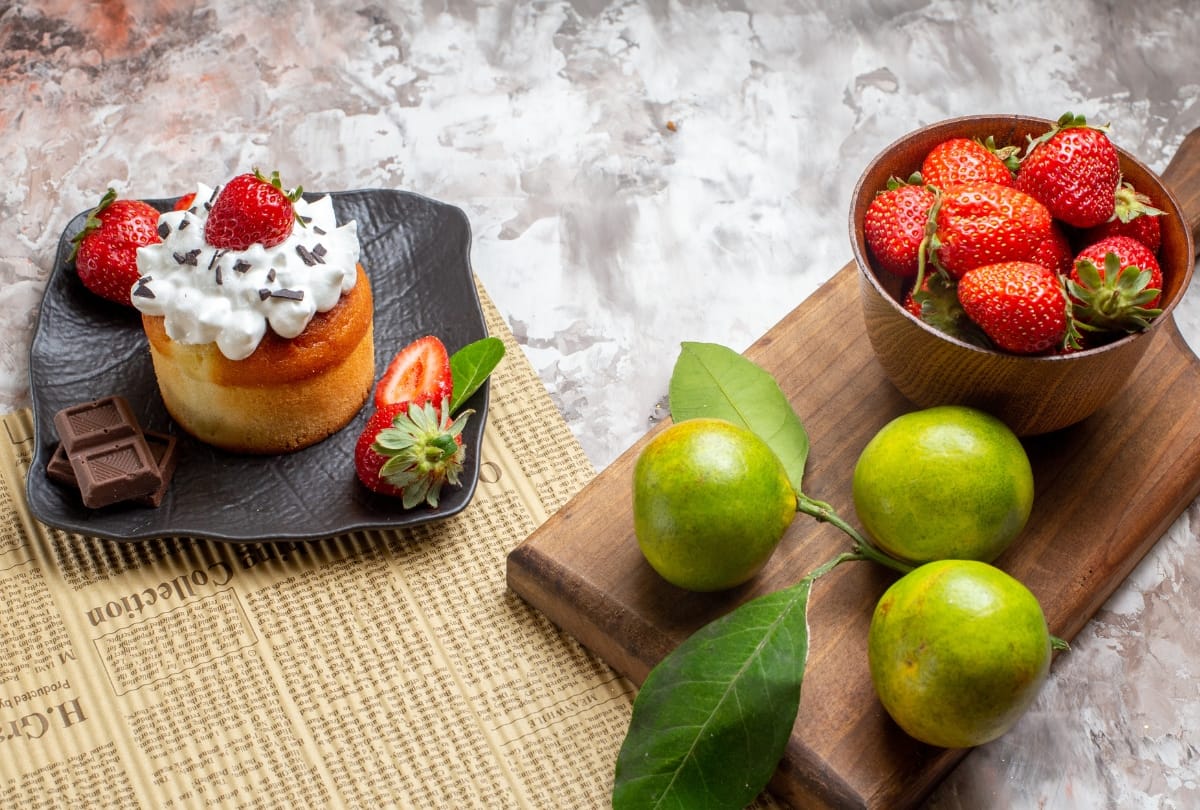
You've probably experienced this before: you're ready to make a delicious dessert, only to find the fruit you need is still too hard and unripe. It's a shame, of course, because a perfectly ripe piece of fruit can make the difference between a good dessert and a stunning one. Ever wondered how to ripen fruit quickly without sacrificing flavor and quality? In this blog post, you'll discover handy tips and tricks to save your irresistible desserts.
Why is ripe fruit important for desserts?
Ripe fruit is essential for desserts . It not only adds sweetness but also creates the right texture and rich flavor. Imagine a creamy panna cotta with juicy, ripe mango or a light pavlova topped with meltingly soft peaches. If the fruit is too unripe, the flavors are flat and the experience lacks. By ripening fruit properly, you elevate your desserts to the next level.
The influence of ethylene
Did you know that some fruits produce ethylene gas, which accelerates the ripening process? You can use this property to your advantage! Bananas, apples, and avocados are notorious for this. Placing fruit you want to ripen next to a banana or apple will significantly speed up the ripening process. This way, you'll enjoy perfectly ripe fruit sooner.
Tip 1: Use a paper bag
A simple method used for generations is the paper bag. Take unripe fruit and place it in a paper bag along with a banana. Roll the top tightly to increase the ethylene concentration and store the fruit at room temperature. You'll notice a difference after a day or two. Checking the bag daily can prevent the fruit from overripe too quickly.
The influence of temperature
Warmth works wonders for ripening fruit. Fruit ripens faster at room temperature than in the refrigerator. In a hurry? Place your fruit in a warm spot in the kitchen, for example, near a sunny window. Be careful, though: excessively high temperatures can also spoil the fruit.
Tip 2: Avoid accelerated cooling
Don't put fruit directly in the refrigerator if you want it to ripen quickly. The cold slows the ripening process considerably, and while this is sometimes useful for stored fruit, you actually want to accelerate ripening for desserts. Only store fruit in the refrigerator when it's optimally ripe to prevent it from becoming overripe.
Creative use of packaging
If you have a little more time, you can get creative with natural packaging. Like a rice bed made of rice grains that resemble baking rice. By carefully placing your fruit between uncooked rice grains in a bowl, you increase the ethylene concentration around the fruit. Just like with the paper bag, this method helps trap the ethylene. Don't forget to check for ripeness daily, so you only use the best for your dessert.
Tip 3: The oven as a lifesaver
In a real hurry and no time to waste? Use the oven. Preheat the oven to a low temperature, around 90 degrees Celsius (194 degrees Fahrenheit), and place the fruit on a baking sheet. By heating the fruit for 10 to 15 minutes, you activate the ripening process. This method works best with fruits like peaches and nectarines. Keep a close eye on your fruit to make sure it doesn't dry out.
The right moment
It's important to know what to look for during the ripening process. The color of the skin, the smell, and the softness all provide valuable clues. An avocado should feel soft under light pressure, while a peach will give off a sweet aroma once it's ready.
Tip 4: Trust your senses
Touch, smell, and look. Your senses are the best indicators of whether fruit is ready for your favorite dessert. A little experimentation can help you discover your ideal ripeness level. And remember: every fruit has its own ripening signals.
Does the thought of a perfect dessert with juicy, ripe fruit make your mouth water? With these tips, you'll ensure your fruit is ready at the perfect time and ripeness to elevate your desserts to the highest level. What will you make first?

Samen koken we slimmer
Ontvang 5% korting op je eerste bestelling


Leave a comment
This site is protected by hCaptcha and the hCaptcha Privacy Policy and Terms of Service apply.