
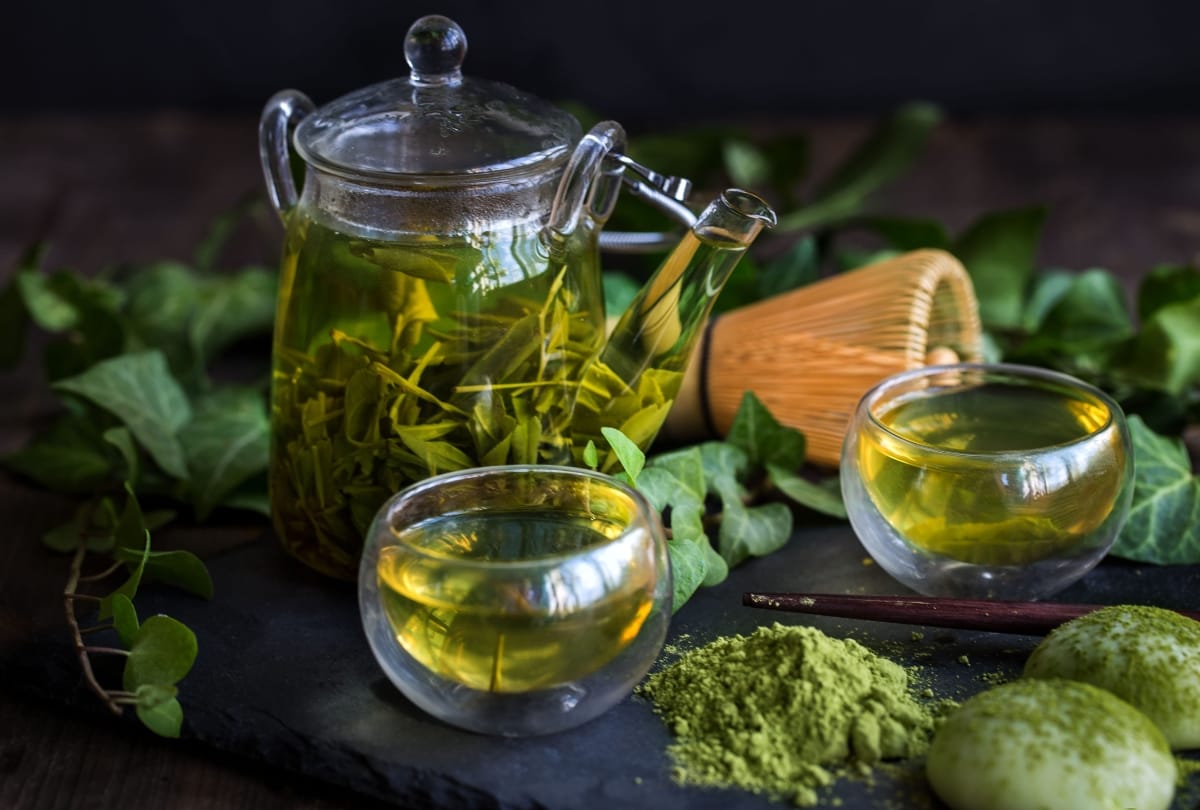
Green tea. As soon as you hold a cup, you'll notice its distinctive aroma and unique flavor. It can sometimes be bitter, yet so many of us love it. Perhaps you do too. But why do we find that bitterness so appealing? Let's find out more.
The mystery of taste
When you drink green tea, you experience a rich and complex combination of flavors. This complexity is what makes green tea so fascinating. Your taste buds dance with the subtle sweetness, the earthy undertones, and then... that sharpness. That unmistakable bitterness. A flavor that can sometimes be perceived as challenging, yet is a significant asset.
Deep down, we often long for intense and challenging experiences. In the kitchen, this translates into surprising combinations and bold flavors you sometimes didn't know you'd enjoy. Green tea fits perfectly into this quest.
Bitterness and the art of balance
You probably know the feeling: trying to find that perfect balance in your dishes. A little sweet, a little sour, and yes, a little bitter too. Bitterness plays a crucial role in creating a harmonious flavor palette. It adds depth to a dish and can bring out other flavors, just as herbs do in a well-seasoned dish.
With green tea, this bitterness naturally comes to the fore. It enhances other flavors, much like a pinch of salt sometimes does with sweet dishes. In this way, green tea can be likened to seasoning your meal. It elevates the experience without being overpowering.
The psychology behind bitterness
Why do we like something that might not seem very appealing at first? Think of your first sip of coffee or tasting your first beer. Often, those initial tastes aren't "love at first sight," but develop over time. Psychologically, we experience a resulting satisfaction and even a certain pride when we embrace such flavors. It's like joining a secret club of people who also understand.
Bitterness, like that of green tea, can therefore be a kind of small victory. Something that resonates with the idea of complexity and maturity in our palate. It's a bit like embarking on a culinary journey of discovery.
Culinary uses of green tea
The versatility of green tea isn't limited to the teapot. More and more chefs are discovering its potential in their kitchens. Think, for example, of steeping broths with green tea or using matcha to add a subtle bitter edge to desserts like panna cotta.
Adding green tea to dishes can provide a subtle, complex layer of bitterness that allows the other ingredients to shine. This makes it an interesting ingredient to play with in the kitchen. If you enjoy experimenting, green tea might be an ingredient you can explore even further.
Drawing attention to health
Besides its taste, green tea is also gaining popularity for its health benefits. You've probably heard it's rich in antioxidants and good for your metabolism. While the taste itself is often the initial draw, science also plays into our hands.
Some of us love green tea because of the idea that we're not only enjoying a delicious drink but also choosing something healthy. This strengthens our appreciation and makes that bitter taste something to look forward to.
Finally
Discovering why we enjoy the bitterness of green tea is an invitation to explore the world of flavors. It's not just about what you taste, but also about how it makes you feel. The same feeling you get when a dish is perfectly balanced. Or when you brew the perfect cup of coffee.
Don't let the bitterness deter you. Instead, embrace it as part of a larger flavor adventure. Green tea offers depth and will keep you coming back for more. Cheers to that surprising bitterness!

Samen koken we slimmer
Ontvang 5% korting op je eerste bestelling

Leave a comment
This site is protected by hCaptcha and the hCaptcha Privacy Policy and Terms of Service apply.